
A home or a unit
One room or the whole house. Tell us what the room is used for and whether anyone is living in it during the work.
Repairs at home
Plastering Gyprock Ceilings
Contact us
Two photographs and three sentences will usually get you a straight answer about what the job is, what it involves, and whether it belongs to another trade first.
The quickest way in is the Get a Quote button at the top of every page. It opens a short form asking for your name, a phone number, an email address, your suburb, the kind of work you think you need and a short description of the problem. None of it takes long and all of it saves a phone call spent describing a crack out loud.
If you would rather talk it through, the number sits in the header and the footer of every page. Either way, what makes the biggest difference to the answer you get back is a photograph taken properly, which takes about ten seconds once you know what the camera needs.
Before you send it
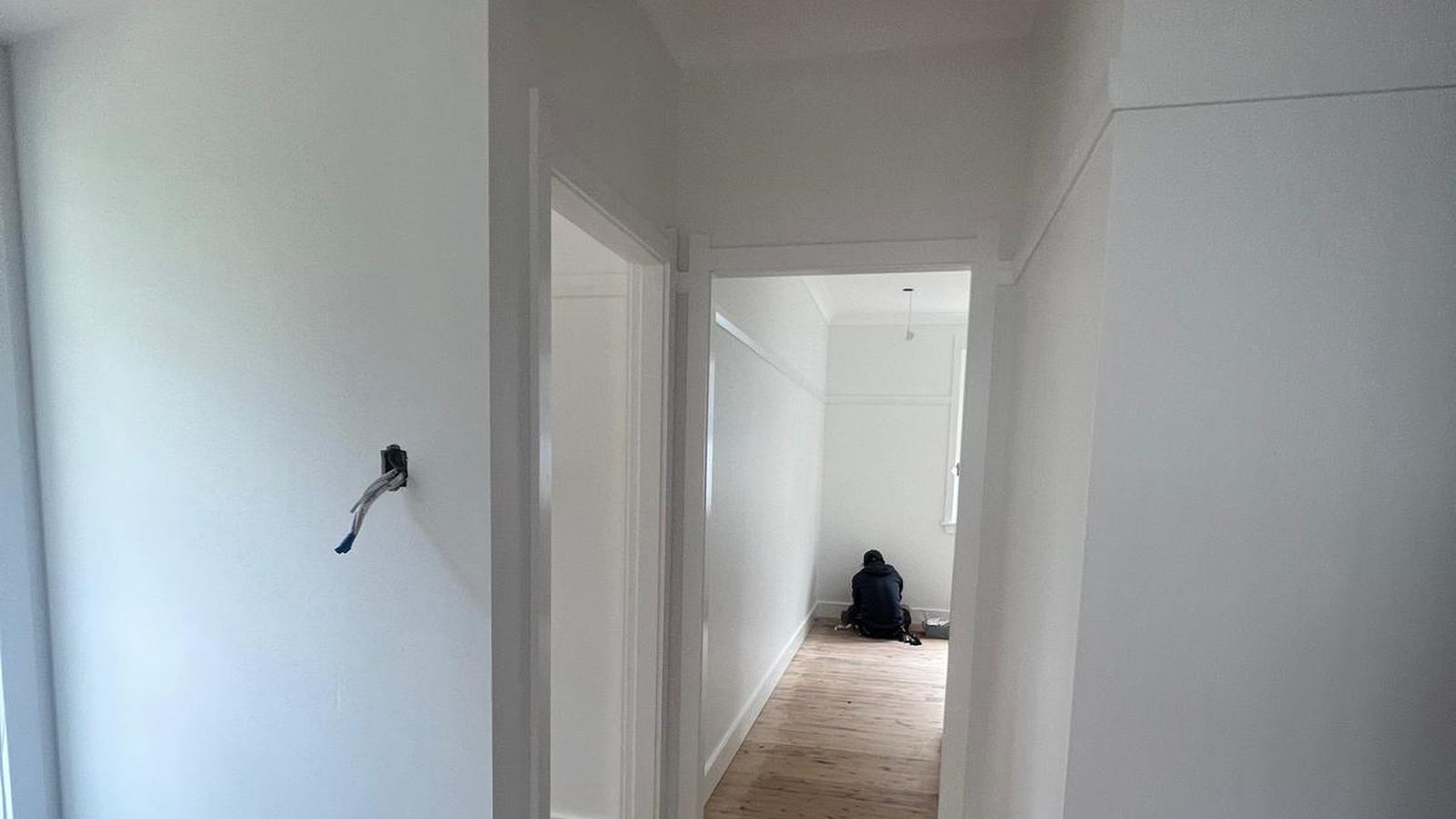
Five things. The first two do most of the work, and the rest stop us guessing. To work out what you are looking at first, the our work page has a short guide.
After you get in touch
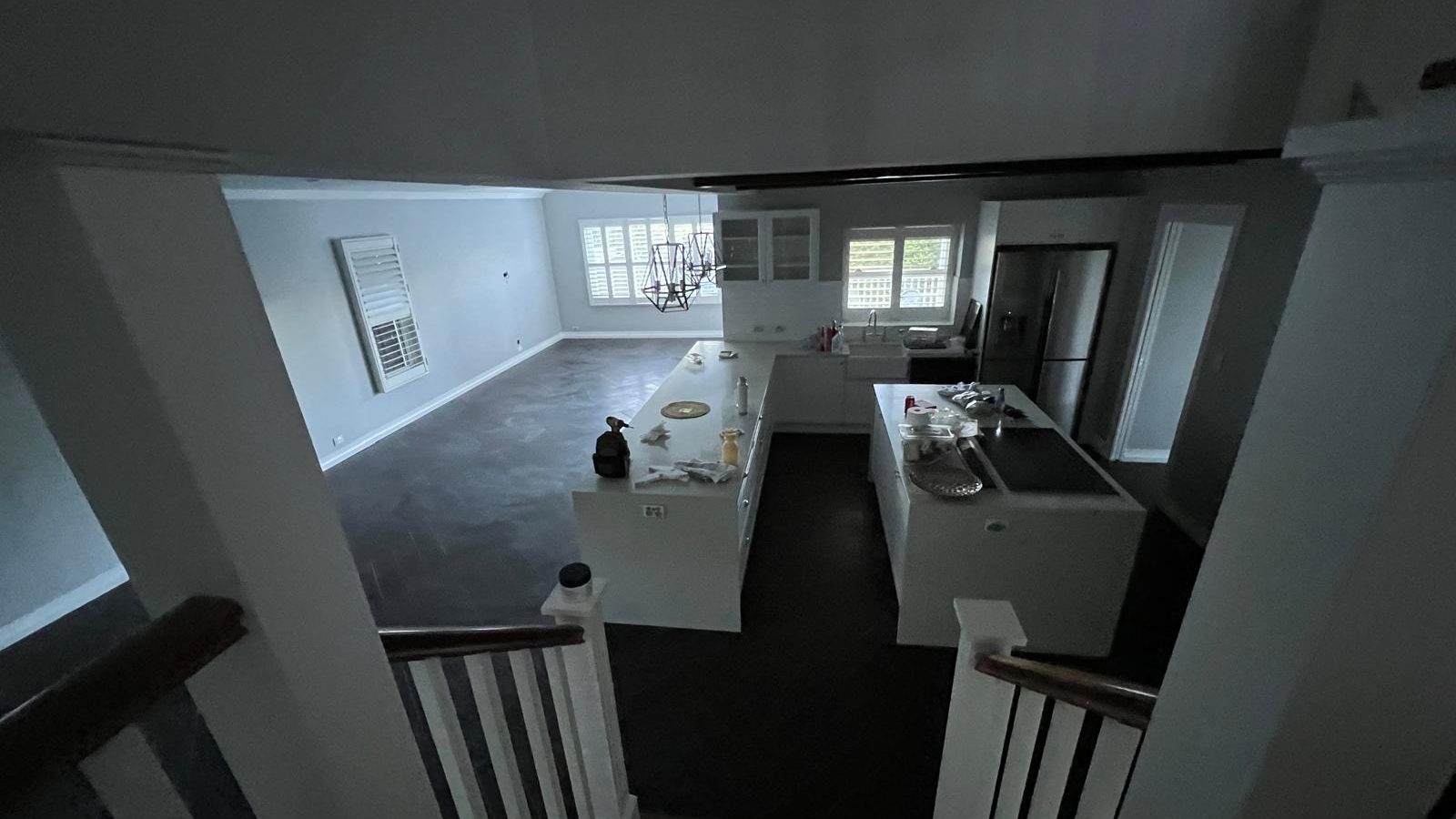
No call centre, no sales visit. The first thing that happens is somebody looks at your photographs.
Most enquiries come down to one or two possibilities from the pictures alone: a joint that has opened, fixings backing out, a sheet that has let go, or a live cause behind it.
What it looks like, what the likely repair is and whether it is a plastering job at all. If it belongs to another trade, that is the first thing you hear.
Some jobs cannot honestly be priced off a screen. Height, access equipment, a whole house or a live cause all get looked at properly first.
What is included, what is excluded and what counts as a variation. Where there is more than one sensible answer, such as patching against a full skim, both get priced.
Work is staged around drying time rather than squeezed into it, so a deeper repair means more short visits rather than one long day. Dates follow the scope.
Enquiry Scope and booking
Photo quotes
Plenty of plastering can be quoted from a picture. Some of it cannot, and a number given anyway is not worth having.
Tell us which you are
One room or the whole house. Tell us what the room is used for and whether anyone is living in it during the work.
Repairs at homeTell us the building, who authorises the work, who the invoice goes to and how access works.
Strata workSend the drawings and the finish schedule. A whole house of linings is priced from plans rather than photographs.
Builder workTell us the programme, the access hours and the specified finish level. Those move the price more than the area does.
CommercialSend it through
Name, a number we can reach you on, your suburb and a line about the problem. A photograph is optional, and it is the single thing that shortens the answer most.
Before you send it
If yours is not here, ask it. We would rather answer it on the phone than have you guess.
Stand to one side rather than square on, so the light runs across the surface instead of into it. If the room is dark, hold a torch flat against the wall or ceiling with the beam running along the plane. That is what makes a hollow or a ridge throw a shadow you can see.
Then take a second from the doorway showing the whole wall or ceiling. The close-up says what the damage is; the wide shot says how much of the plane is involved, which is what moves the price.
You get told, before a quote is written rather than after the work is done. An active leak is a roofer or a plumber, structural movement is a builder or an engineer, and waterproofing and asbestos are licensed work by others.
In most cases the plastering still gets done, just afterwards. Water-damaged ceilings are the obvious example: the board goes back once the leak is stopped and the space has dried, not before.
One photo
The Get a Quote button at the top of this page opens the form. If you would rather talk it through first, the number is in the header of every page.