
Water-damaged ceilings
Reinstatement after storm or roof water, once the entry point is fixed and the ceiling has properly dried out.
Water damage
Plastering Gyprock Ceilings
Blue Mountains
The method does not change between Glenbrook and Blackheath. The calendar does, because a cold damp room takes longer between coats and no amount of pushing shortens it.
The mountains run a long way. Glenbrook, Blaxland, Warrimoo and Mount Riverview sit at the bottom and behave much like the western Sydney plain. Springwood, Faulconbridge, Winmalee, Woodford, Hazelbrook and Lawson sit in the middle. Wentworth Falls, Leura, Katoomba and Blackheath sit high, cold and often wet.
The housing follows. Timber and fibro-era construction is everywhere, with weatherboard cottages, guesthouse-era buildings and large older houses on bush blocks, plus newer brick infill. Very little of it is standard project housing, which means almost nothing here gets quoted from a floor area alone.
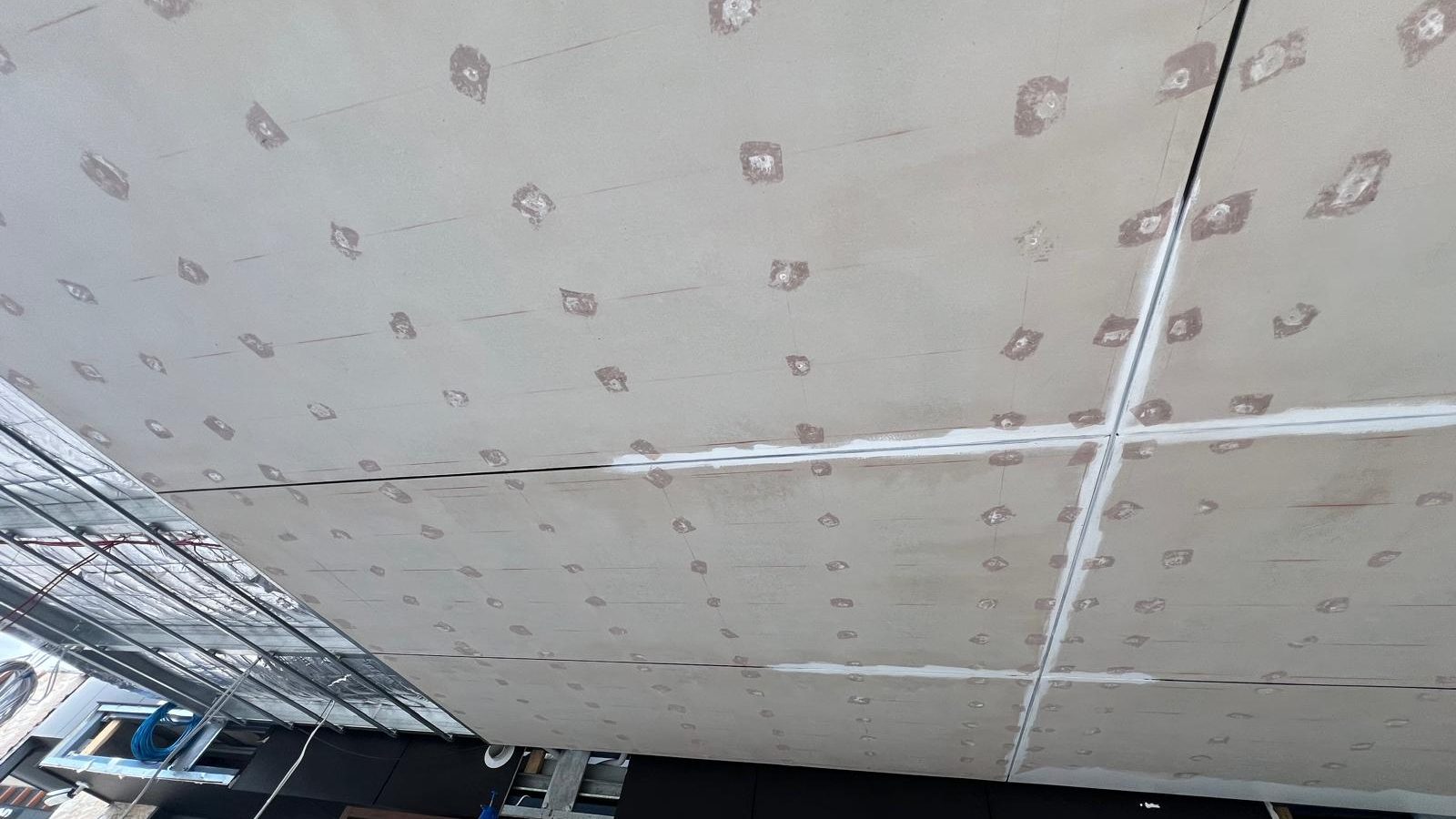
Honest timetable
In a cold month a repair takes more days, not more hours. You get told that when you book rather than on the third visit.
Licensed contractor
NSW contractor licence 244708C, with insurance details available to builders, insurers and managers on request.
Older linings identified
Lath, fibrous plaster, older sheet and modern board all behave differently. What you have gets worked out before anything is cut.
Bush-block access sorted
Long driveways, steep approaches and no room to turn a van are all worked out at the quote, not on the morning.
The area
Setting compound cures by losing water to the air around it. In a cold, damp, poorly ventilated room the surface can feel dry while the body of the coat is not, and putting the next coat over that is how a repair ends up shrinking, cracking or reading as a line six months later.
So between May and September, in the mid and upper mountains particularly, we allow longer between coats. What is two visits in February can be three in July. Warmth and airflow through the room help more than anything else, and if the space is empty and unheated it is worth saying so when you book.
Older interiors
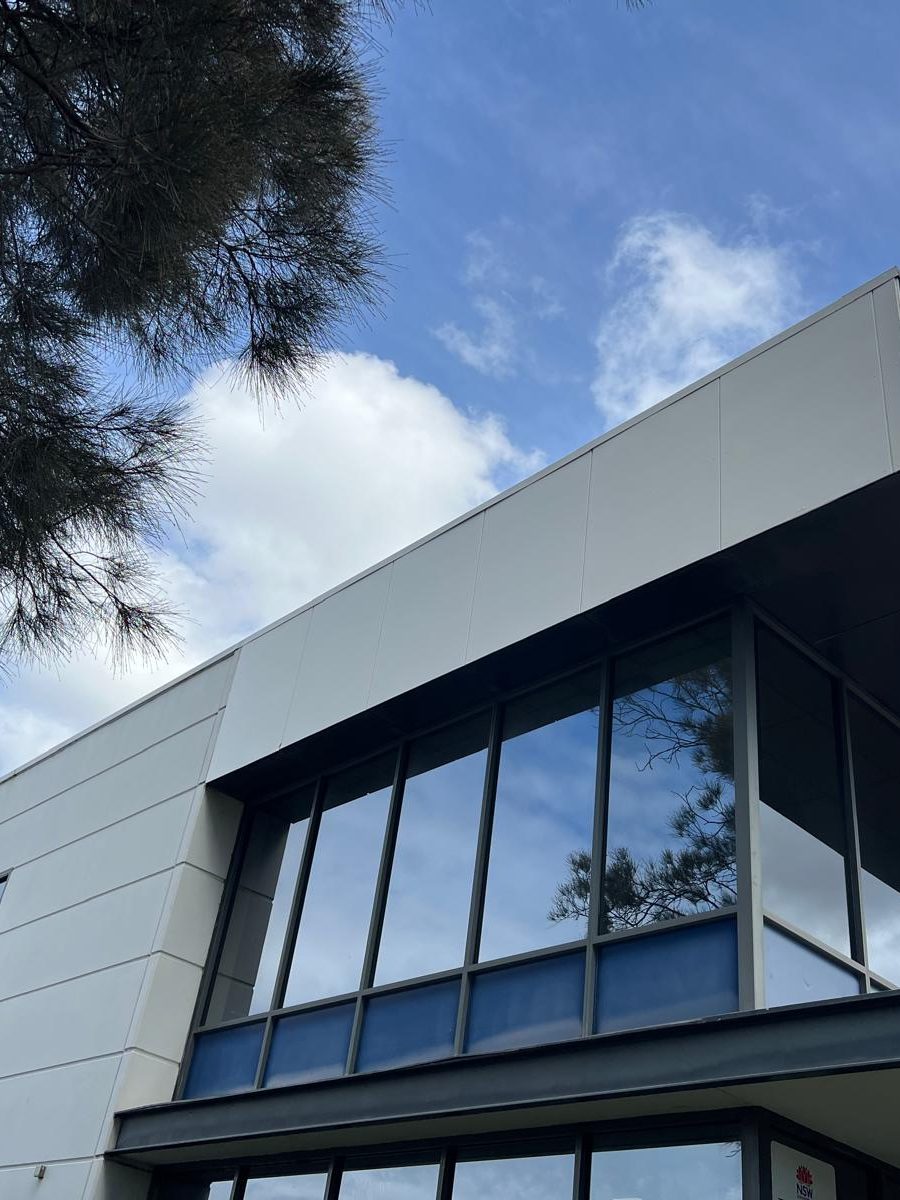
A great deal of the upper mountains was built before plasterboard was ordinary. What is behind the paint might be lath and plaster, fibrous plaster sheet, hardboard or timber lining, and each one asks for a different approach.
The first thing worth knowing is whether the surface is still attached. Old lath and plaster fails by losing its key to the timber behind it, so a ceiling can look perfect and still be holding on by very little. Tapping it tells you a lot: a hollow, drummy note over a wide area means the surface has let go, and that section cannot simply be filled.
Where the material is sound but the surface is tired, a full skim coat over the top is usually better than a run of patches, because it brings a century of separate repairs back to one plane without disturbing what is underneath. Where it has let go, the honest answer is often overlaying or replacing that plane rather than chasing it.
Decorative work is its own question. Moulded cornice, ceiling roses and arch details are common in the guesthouse-era buildings up here, and matching a damaged run means taking a profile off the original rather than buying the nearest thing off a rack. The ornate and heritage plaster page explains how that work is scoped.
How it runs
Long travel and long drying both push the same way: fewer, better-planned visits.
Pictures of the damage and a note of the suburb. Telling us the time of year matters here, because it changes the number of visits we plan for.
On site we check whether the surface is board, lath, fibrous sheet or something older, and whether it is still keyed to the frame. That decides repair, overlay or replace.
Other rooms, the hallway ceiling, the cornice you have been ignoring: get it all quoted together. The travel and the sanding day are paid once either way.
Failed material removed, backing added where there is nothing behind the opening, and the joint reinforced so the repair carries movement rather than resisting it.
Built up over visits spaced to suit the season, then sanded, checked under a raking light and cleaned down at the end.
Assessment Repair and finish
By altitude
Same trade, same materials, different conditions. This is roughly how the council splits from a plastering point of view.
| Part of the mountains | Suburbs | What it means for the job |
|---|---|---|
| Lower | Glenbrook, Blaxland, Warrimoo, Mount Riverview | Conditions close to the western plain, shortest travel, drying windows much like Penrith |
| Mid | Springwood, Faulconbridge, Winmalee, Woodford, Hazelbrook, Lawson | Large older timber houses on bush blocks, long driveways, noticeably slower drying in winter |
| Upper | Wentworth Falls, Leura, Katoomba, Blackheath | Coldest and dampest, heaviest concentration of pre-plasterboard and decorative interiors, longest travel |
| Anywhere, after weather | Across the whole council | Storm and roof water reinstatement once the roof is repaired and the ceiling has genuinely dried |
Pricing
Very little of the variation is the size of the damage.
A repair that takes two visits in summer can take three in the middle of winter, because the coats need longer. The work is identical; the calendar is not.
Modern board, older sheet lining and lath and plaster are three different jobs at the edge of a repair, and the last one needs the most care.
Whether the surface is still keyed to the frame decides this, and it is the single biggest fork in the price on an older mountains ceiling.
A plain cornice run is straightforward. Taking a profile off an original moulded run so a repair disappears into it is slower and more skilled work.
Blackheath is a long way past Glenbrook, and a steep bush driveway decides whether sheet is driven to the door or carried.
An empty, unheated upper mountains house in July dries slowly. Where there is power and some airflow, the visits can be closer together.
Start here
Each page covers the work itself, how it is assessed and what changes the number.
Reinstatement after storm or roof water, once the entry point is fixed and the ceiling has properly dried out.
Water damageCracking along joints and cornice lines, loose fixings and old patches that read as shadows under the light.
Ceiling repairsAn older wall or ceiling brought back to one flat plane without disturbing the lining underneath it.
Skim coatingWhat restoring moulded cornice, ceiling roses and arch details involves, how it is scoped and what to ask first.
Heritage plasterMountains questions
Six questions the mountains climate and housing raise repeatedly.
Yes, and it is the main reason we ask what month you want the work done. Compound cures by giving up water to the air. Cold air at high humidity takes that water far more slowly, so each coat needs longer before the next one goes on.
In practice a two-visit summer repair in Springwood or Katoomba can be a three-visit job in July. We would rather tell you that up front than turn up and put a coat over something that is only dry on the surface.
That soft feel is the important detail. Old lath and plaster fails by losing its grip on the timber laths behind it, and once a large area has let go, filling the crack is cosmetic. Tap across it: a hollow note over a wide area means the key has gone.
Where it is sound apart from the crack, it repairs well. Where it has let go across most of the plane, the realistic options are overlaying it or taking it down and re-sheeting. Either way it gets assessed before anyone starts, and a ceiling that has begun to sag is treated as sagging first.
Yes. The coverage runs the length of the council, from Glenbrook and Blaxland at the bottom through Springwood, Winmalee, Hazelbrook and Lawson, up to Wentworth Falls, Leura, Katoomba and Blackheath.
Travel is a real part of an upper mountains quote and we would rather be straight about that than pretend it is not. It is also the reason we push to scope everything in one visit and group the return trips.
On its own, no. Damp that reappears in the same place each winter is usually condensation: warm moist air inside meeting a cold external wall, in a house that does not get much airflow. Up here that is common in bedrooms and behind wardrobes.
New plaster and paint over it will look right for a season and then do the same thing. The order that works is to deal with the moisture and the ventilation first, then make the surface good. We will say so if that is what we think we are looking at.
Roof first, always. Until the entry point is closed, anything we do gets undone by the next front. After that the ceiling has to dry out properly, which up here can take longer than people expect, and drying is not the same as looking dry.
Then the plastering: failed material cut out, backing in where needed, joints reinforced, built up in coats and sanded flat. If an insurer is involved, ask what documentation they want before the work starts. Water-damaged ceilings and insurance plaster repairs both cover that ground.
Often yes, and it is worth deciding early rather than mid-job. A moulded run can usually be protected and worked around, and a damaged section can be matched by taking a profile off the original rather than substituting a modern shape.
What makes it harder is repeated painting, which softens the detail, and earlier repairs that replaced part of the run with something close but not the same. The ornate and heritage plaster page sets out what to ask before committing.
Mountains quotes
With photos, the suburb and a rough timeframe we can give you a price and a realistic number of visits for the season you are booking in.