
Water-damaged ceilings
Reinstated once the source is stopped and the space has dried, with the sheet assessed rather than just filled.
Water damage
Plastering Gyprock Ceilings
Windsor 2756
One of the oldest towns in the country, where the lining changes every few doors and putting a room back after water has come through is regular work rather than an exception.
Windsor shows its age inside the buildings. Colonial and Victorian brickwork through the town centre, weatherboard cottages, interwar and postwar houses on the flats and the rising ground, and later brick out towards South Windsor and McGraths Hill. Very little of it is lined the same way.
The other constant here is water. The Hawkesbury river flats have a long flood history, and quite apart from that, old roofs, old plumbing and old wet areas leak. So a fair share of the plastering is reinstatement: taking out what has failed, waiting until the structure is dry, then lining and setting it again. Windsor sits in Hawkesbury City.
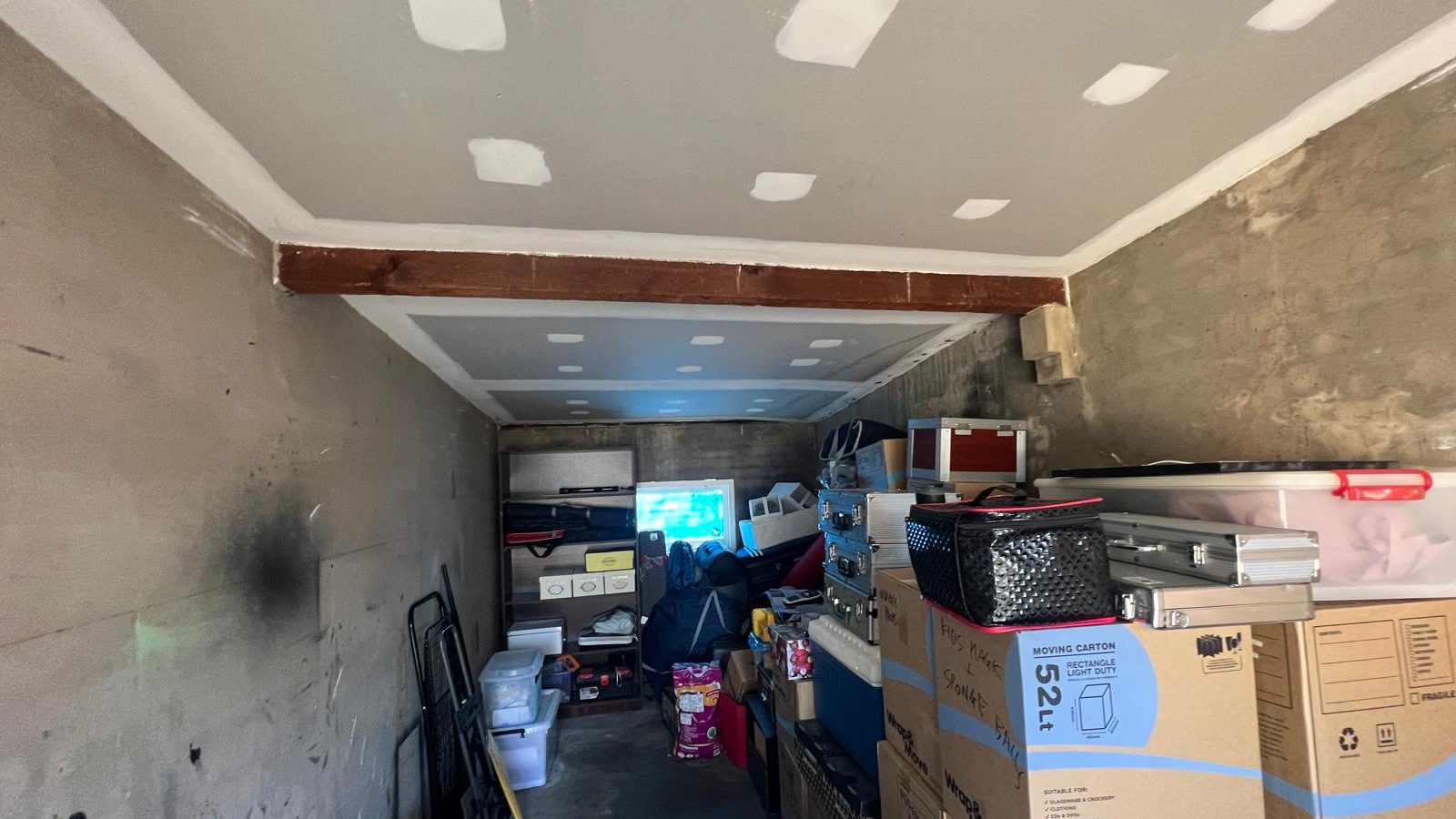
Dry before it gets lined
Reinstatement waits until the structure is dry, because new plaster over damp framing fails twice.
The lining gets identified
Lime plaster on masonry, timber lath, fibrous sheet and modern board all behave differently.
Documented as we go
Before, during and after photos plus an itemised scope, so an owner, a manager or an assessor has something to read.
Visits grouped, not guessed
Coats need drying time, so the return visits get planned rather than promised as one day.
Coverage
What is behind the paint
In most Sydney suburbs you can guess the lining from the street. Here you cannot, because the range of building ages in a few blocks is wider than almost anywhere else in the state.
| Roughly when it was built | What the lining usually is | What that means for repair |
|---|---|---|
| Colonial and Victorian, town centre | Lime based plaster straight onto masonry, timber lath on some ceilings | Assessed before anything is cut. The wrong patching material pushes the failure sideways |
| Late Victorian and Federation cottages | Lath and plaster ceilings, hard plaster on brick walls | Cut back to sound material, reinforce, rebuild the plane in coats |
| Interwar and postwar weatherboard | Fibrous plaster sheet, often with cover strips, or early plasterboard | Frequently re-lined rather than patched, because the sheet itself has aged |
| 1970s to 1990s brick | Standard plasterboard on timber framing | Ordinary board repair, refixing and setting |
| Recent additions and rebuilds | Modern plasterboard, with wet area or rated sheet where required | Like for like, matched to what the room is meant to do |
First question
Plenty of what we get called to here is straight plastering. Some of it is the surface reporting a problem behind it, and those two get very different answers at the quote.
Pricing it
The extent of the damage is only one input. On older buildings and on reinstatement work, these move the number more.
Nothing goes back until the structure is dry. If drying is still under way, the lining is a later stage and gets priced as its own visit.
Repairing lime plaster on masonry, patching fibrous sheet and piecing into modern plasterboard are three different jobs with three different rates of progress.
Strip-out, bagging and disposal are real work. Old plaster and lath are heavy, and on an upper floor they have to come down by hand.
Older buildings with a shopfront or a tenancy above bring in loading, stairs and trading hours rather than a driveway.
On an early building the work slows down to protect what is staying, and anything decorative gets recorded before it is disturbed. A run of aged surfaces can also be brought back to one plane with skim coating.
Each coat has to dry. A deeper reinstatement means more coats and more attendances rather than more hours in one day.
The sequence that works is: stop the water, take out what has failed, get the structure genuinely dry, then line and set. Skipping the drying is the most common reason a reinstated ceiling stains, blisters or lets go again. Dry means measured with a meter and ventilated, not dry to the touch after a warm week.
We will document the damage and give you an itemised scope with photographs, which is usually what a claim or a managing agent needs. What a policy actually covers is between you and your insurer or assessor, so ask them rather than us. How we put a reinstatement scope together is on the insurance plaster repairs page.
Where to start
Reinstated once the source is stopped and the space has dried, with the sheet assessed rather than just filled.
Water damagePhotographed, itemised reinstatement scopes written so an assessor or an agent can read them.
Insurance workPlaster applied to masonry interiors, including patching and re-floating older hard-plastered walls.
Solid plasterWhen an aged ceiling has stopped doing its job, taken out and re-lined with the cornice reinstated.
ReplacementLocal questions
If yours is not here, ask it. We would rather answer it on the phone than have you guess.
Yes. A room that has been wet in the past is ordinary work once it is dry. What matters is below the finished surface: whether the affected sheet or plaster was actually removed, whether the framing behind it is sound, and whether anything is still holding moisture.
Where a room may be lined again at some point, it is worth talking about what goes back. Removable skirting details, sheet choices and where the joints fall can all make a future reinstatement faster, without pretending plaster is waterproof.
There is no honest fixed number. It depends on how much water there was, how long it sat, what the walls and floors are made of, and how well the space can be ventilated. Masonry and old timber hold moisture far longer than plasterboard does.
What matters is that it is measured rather than guessed. If a restoration contractor or a builder is drying the space, we work to their readings. If nobody is, we would rather delay the lining than set a room that is still giving off moisture.
Patch, if the plaster is still bonded. Cutting back to sound material and building the repair out in coats keeps the original wall and the original wall thickness at the reveals, which matters in a building of that age.
Sheeting over is the answer when the plaster is drummy across a large area, or where the wall has been repaired so many times that the surface no longer reads flat. That is a decision made with a hand on the wall, not from a photo. Both paths are covered on the solid plastering page.
Not in itself, but it is not our call to make. What can be changed, removed or replaced in a listed building or a conservation area is a matter for the council or a heritage adviser, and it is worth asking them before work is booked rather than after something has come off.
Our part is to work so the options stay open: record profiles and details before anything is disturbed, keep original material where it can be kept, and use repair methods that suit what is already there. Decorative plaster matching sits on the ornate plaster restoration page.
Single rooms are fine. What we do is plan the visits, because the drying time between coats means even a small repair is two or three attendances. Grouping those sensibly is how the travel stays reasonable.
Photos help: one with the light raking across the surface, one from the doorway, and a note on what the building is. For a shopfront in the town centre tell us the trading hours too, because that shapes the plan more than the plastering does. Fitouts of that kind are on the retail and hospitality page.
Windsor
Those two things decide almost everything else: what the lining is, whether it has to come out, and whether anything needs drying before we put a single coat on.