

Campbelltown
Campbelltown plastering: the faults that repeat across project-built streets
Whole suburbs here went up to a handful of standard designs in the 1970s and 1980s, so the same few plaster faults turn up house after house, in the same places.
Minto, Macquarie Fields, Raby, Eagle Vale, St Andrews, Ambarvale and Rosemeadow were built quickly and to pattern. Brick veneer on a slab, timber stud internal walls, battened ceilings, cover cornice and, in a lot of them, a sprayed or stippled ceiling finish. Ingleburn, Leumeah and Campbelltown itself mix that stock with older housing.
The useful thing about pattern-built streets is that the faults are predictable. Once you have set the cornice line in one of these houses you know where the next one will have cracked, and roughly why. It also means most of the work here is a house of forty or fifty years being brought back.
- Pattern-built 1970s and 1980s stock
- Owners, landlords and agents
- Licence 244708C
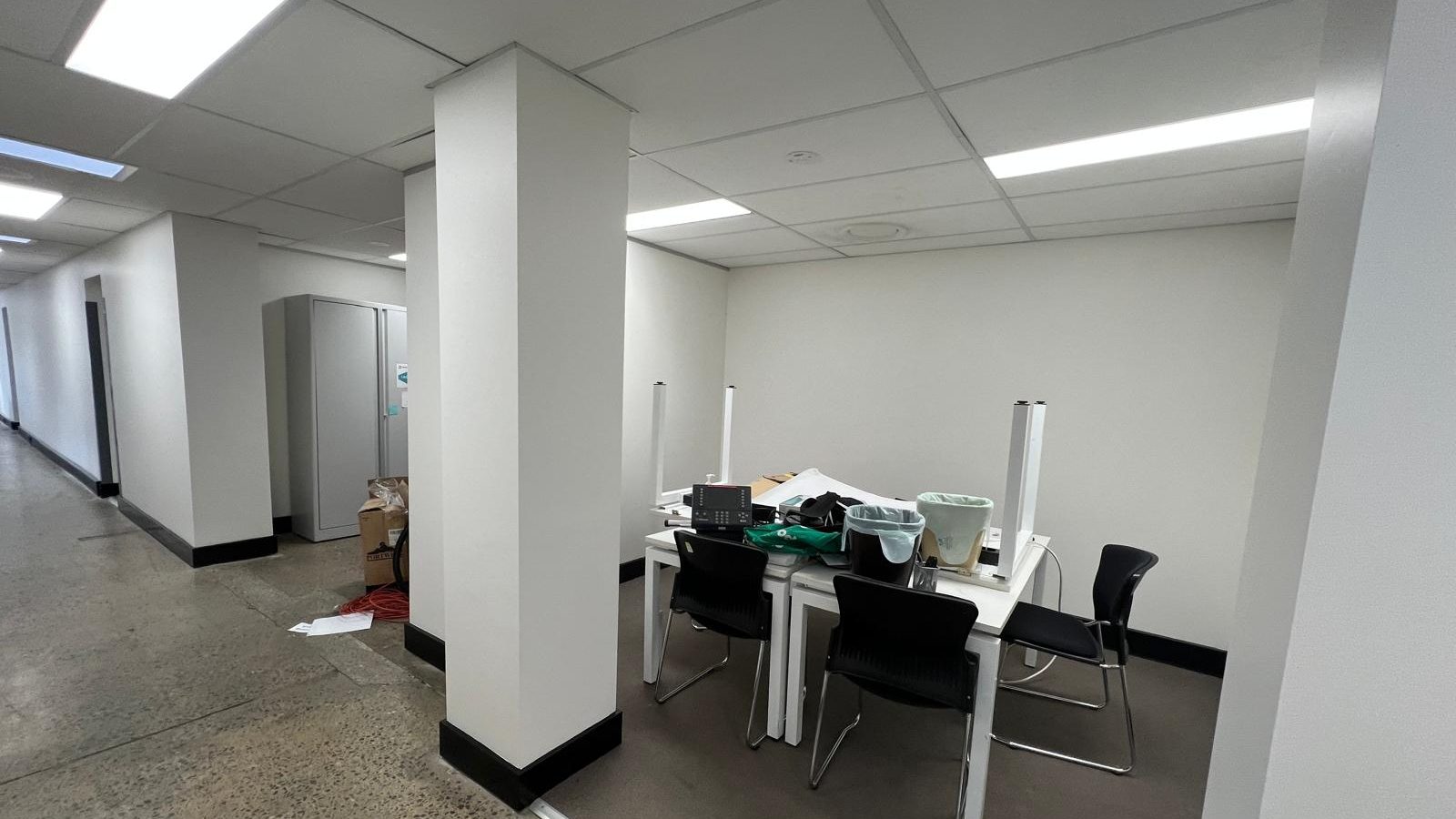
We know where to look
In pattern-built housing the faults repeat, so the assessment starts from what these houses usually do.
Quoted from photos
Most repairs here can be priced from pictures, which suits owners, landlords and agents at a distance.
Whole rooms, not just patches
Where a room carries years of separate repairs, we say when a skim beats another patch.
Licence details up front
NSW contractor licence 244708C on every quote, for owners, landlords and agents.
Campbelltown coverage
- Council area
- Campbelltown City Council
- Suburbs covered
- Campbelltown, Ingleburn, Minto, Glenfield, Macquarie Fields, Leumeah, Bradbury and nearby
- Postcodes covered
- 2558, 2559, 2560, 2564, 2565, 2566 and nearby
- Nearest covered areas
- Camden, Liverpool, Fairfield, Wollondilly
The usual suspects
Six faults these houses repeat
Not a diagnosis of your house, but a fair bet. If two or three of these sound familiar, that is the stock doing what it does at this age.
Cracking along the cornice line
A fine line where the cover cornice meets the ceiling, running the length of a room. The cornice and the sheet are moving independently at that junction.
Rows of small bumps overhead
Fixings backing out of the ceiling battens over decades of seasonal movement. They appear in lines because the battens are evenly spaced.
A textured or sprayed ceiling
Standard in this era. It cannot be sanded flat casually, and if nobody knows what the coating is, it has to be assessed before anything touches it.
Hollow breaks in hallway walls
Board on studs takes a knock differently from solid plaster. There is nothing behind the hole, so the patch needs backing before it is set.
The wall behind the shower
Older wet area linings that have been wet for years, usually found when tiles start moving. New lining, then the waterproofer and tiler.
The converted garage
A rumpus or bedroom made from a garage, lined at some point without much care. Often the first room owners want brought back properly.
Worth checking
Ordinary wear, or something the house is telling you
Rental make-ready and pre-sale work both involve deciding quickly what is cosmetic. Most of it is.
Repair and move on
- Hairlines along the cornice line that have not widened over years
- Scuffs, dents and hollow breaks in hallway and bedroom walls
- Doorway corners with a fine crack that stays the same width
- Old patches sitting slightly off the plane and showing under a light
- Damage where a curtain track, shelf or air conditioner was removed
Find out why before it is filled
- Cracking that steps or widens at one end, especially near a corner of the house
- A crack visible in the external brickwork in the same line as the internal one
- Doors and windows that have started binding in the same season the crack grew
- A ceiling that feels soft or heavy, or has dropped at one edge
- A stain with a defined edge that is still getting bigger
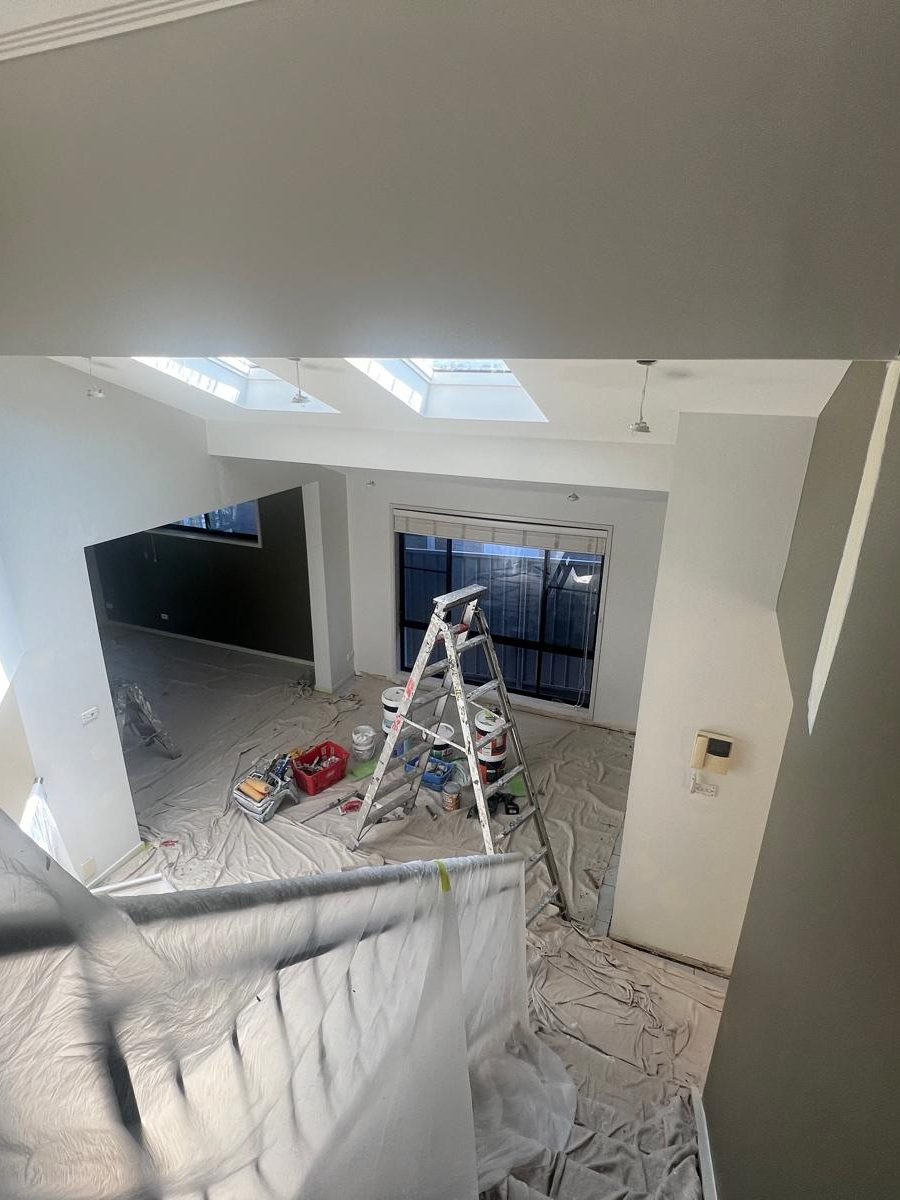
Rentals
Repairs between tenancies, and during them
A large share of these houses are rented, so a lot of our work is arranged by a landlord or an agent for a property they are not standing in.
- Photos do most of it. Clear pictures with the light raking across the wall, plus one from further back for context, are usually enough for an itemised quote.
- Vacant is cheaper. An empty house between tenancies is quicker to protect, quicker to sand and quicker to clean. An occupied one is workable too, staged room by room with the dust cleaned up each visit.
- Itemised for approval. The quote lists each item separately, so an owner can approve the whole lot or just the parts that matter before a new lease.
- Recorded on completion. Photographed at hand-over, which is what an agent wants on file and what an insurance claim needs if one is involved.
Who is asking
Different callers, different quote
The same repair gets described differently depending on who is arranging it, and what we need from you changes with it.
| Who is arranging it | What they usually need | What to send us |
|---|---|---|
| Owner living in the house | A straight answer on patch versus skim, and minimal disruption | Photos of every room you are unhappy with, not just the worst one |
| Landlord at a distance | An itemised quote they can approve line by line | Photos, the address and whether the house is vacant or tenanted |
| Managing agent | A scope they can forward to an owner without rewriting it | The work order, access arrangements and the tenant's availability |
| Seller before listing | The cheapest route to a surface that photographs well | Photos and your listing date, so the sequence fits the painter |
Before the number
What changes the figure in Campbelltown
Pattern-built housing is predictable, which makes these the variables that matter.
Patch count versus room count
Six separate patches in one room usually cost more to make invisible than skimming the whole wall. We will tell you where that line falls.
Whether the ceiling is textured
Matching a sprayed finish over a small repair is fiddly, and on a larger area a different approach is often the better answer.
Vacant or lived in
An empty house between tenancies is the cheapest time to do this work, by a clear margin.
Whether the cause has stopped
A crack from continuing movement, or a ceiling under a live leak, will fail again. That gets sorted first.
Paint after, or paint never
Fresh compound will not match aged paint. If only one section is repaired and the wall is not repainted, the repair will still read.
Rooms grouped into one run
Four rooms in one visit run costs less per room than four separate call-outs, because set-up and travel happen once.
Bringing one back
How a whole-house refresh is sequenced
For a house of this age being tidied up before a repaint, a sale or a new tenancy, the order matters more than the products.
- 01
Walk it with a light
Every room, with a light held flat against the walls and ceilings. That finds the old patches and waves you stop noticing when you live there.
- 02
Decide patch or skim per room
Room by room, honestly. Some rooms need three patches. Some have had so many that one skim coat is cheaper than chasing them.
- 03
Set, sand and check in order
Cracked cornice runs repaired first, then rooms finished in a sequence that keeps part of the house usable and lets each coat dry before the next.
- 04
Hand over paint ready
Dust cleaned up and every surface checked under raking light, so the painter starts on a flat surface rather than fixing ours.
Assessment Finish
Where to next
What Campbelltown asks for most
- Ceiling repairs for cornice-line cracking, loose fixings and old patches showing as shadows
- Wall plastering and repairs for hollow breaks, knocks and tired hallway walls
- Skim coating for rooms carrying decades of separate repairs at different levels
- Textured and sprayed ceilings where the coating has to be assessed before anything is done
- Renovation plastering for garage conversions, opened-up living areas and added rooms
- Cornice where a run is damaged, missing or has to be matched to the rest of the house
Asked around here
Questions from pattern-built streets
If yours is not here, ask it. We would rather answer it on the phone than have you guess.
Every house in our street has a crack above the same doorway. Is it structural?
Usually not, and the fact that it is everywhere is mildly reassuring. Identical houses built the same way on similar ground move the same way, and the head of a door opening is a natural weak point in the lining.
What matters is whether it is stable. A hairline that has looked the same for years is ordinary repair work. One that has widened, stepped or appeared alongside doors starting to bind is worth having looked at first.
Our ceilings are textured. Can they be made flat?
Often they can, but not by sanding them. First the coating has to be identified, because suspect material must be assessed by a competent person before it is scraped, sanded or disturbed in any way.
Once that is known, flattening is normally done by covering or re-lining rather than removal, and we do not offer removal of that material. What each route involves is on the vermiculite and textured ceiling page.
We are the landlord and the tenant is leaving. What is worth repairing before the next let?
The vacancy window is the cheapest time to do plaster work, so it is worth getting a full list rather than the one wall that was reported. Hollow breaks, door corners, old patches and cornice damage all photograph badly and all set quickly.
Send photos of every room and tell us the vacancy dates. The quote comes back itemised so you can approve the lot or just the items that affect the listing.
Our brick veneer house keeps cracking in the same corner. Can plaster fix that?
Plaster can make it invisible, but it cannot hold a corner that keeps moving. If a crack has been properly repaired and returns in the same line, the cause is the frame or the ground, not the lining.
Recutting and refilling buys a season. Before spending again, it is worth having the cause looked at, especially if the crack also shows in the brickwork outside or the doors nearby have started to stick.
Can you quote from photos an agent sends, without a site visit?
For most repairs, yes, and it is how a lot of this work gets priced. Pictures taken with the light raking across the surface, plus one from further back, tell us the extent and the likely method.
Some jobs still need a look: a ceiling that may have moved, a wall where the substrate is unclear, or a whole-house refresh where patch versus skim has to be decided room by room.
We want the whole house done before painting. Patch everything, or skim it?
Room by room rather than all one way. A room with two or three defects gets patched. A room that has been patched repeatedly over forty years is usually better skimmed, because every one of those repairs sits at a slightly different level.
The test is what a light held flat against the wall shows. If the surface reads as a series of shadows rather than a few marks, more patching will not fix it, and skim coating is the cheaper answer over time.
Get a figure
Photograph every room, not just the worst wall
Most work here gets priced from pictures. Send the whole list in one go and the repairs can be grouped into the same visits.