

Strata & property
Strata and property maintenance plastering across Sydney
Plaster work in buildings where one person reports it, another authorises it and a third pays for it. Scoped in writing, staged around residents, and invoiced so a committee can read it.
Most plastering in a managed building is not complicated work. What makes it different is everything around it: an order that has to be priced before it can be approved, a resident who needs to know when someone is coming, a lobby that cannot be closed for three days, and an invoice that still makes sense six months later.
So this page is mostly about the process rather than the trowel. Who instructs the job, what a quote has to separate out, how access and notice are handled, and what ends up in the file once the job is signed off.
- Quoted against the work order
- Access arranged in writing
- Before and after photos supplied
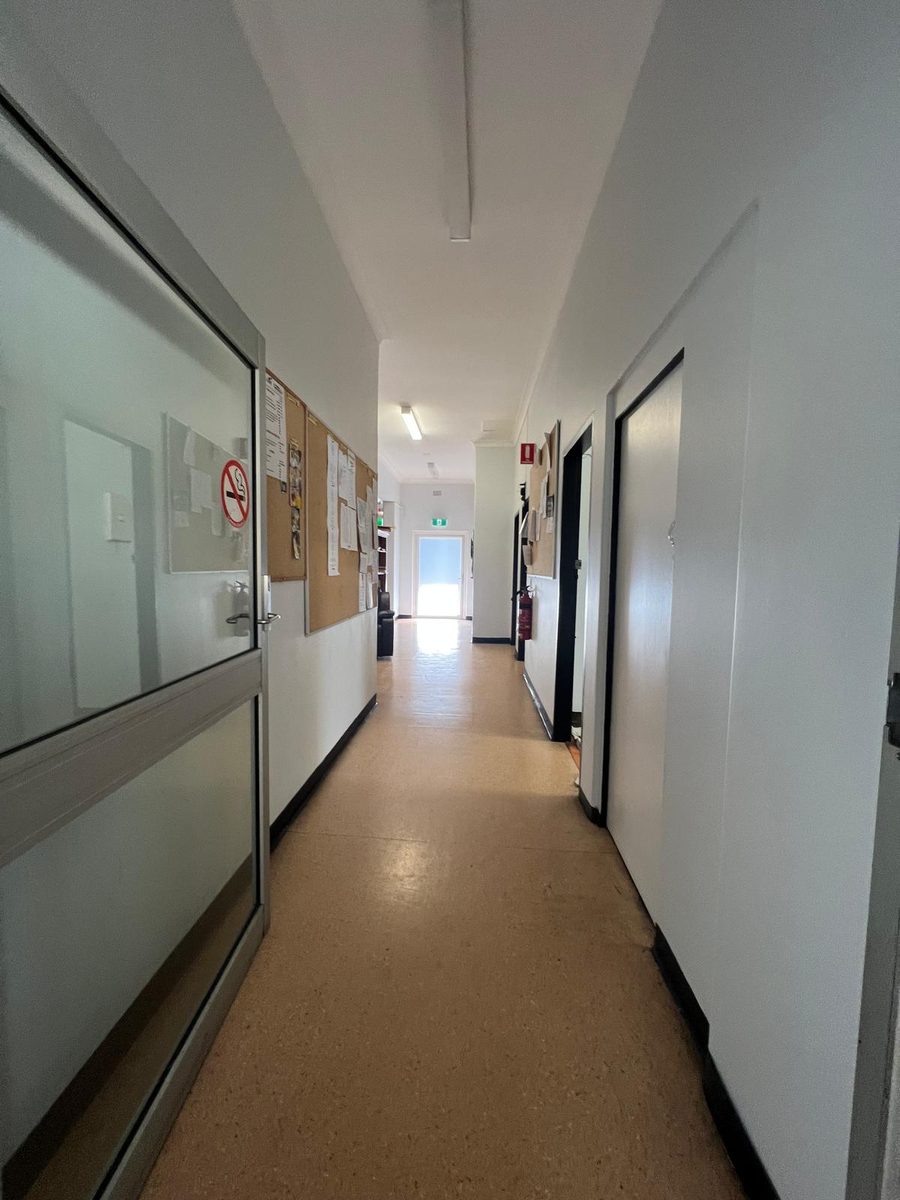
Priced before it proceeds
Nothing runs on a verbal. You get a written scope and a number against your reference.
Residents know what is coming
Access window, noise, dust and how many visits, agreed before anyone knocks on a door.
Common areas put back daily
Lifts, lobbies, stairs and carpet protected while we work and cleaned down before we leave.
A file you can hand on
Photographs, a scope in plain words, and an invoice naming the building, the level and the lot.
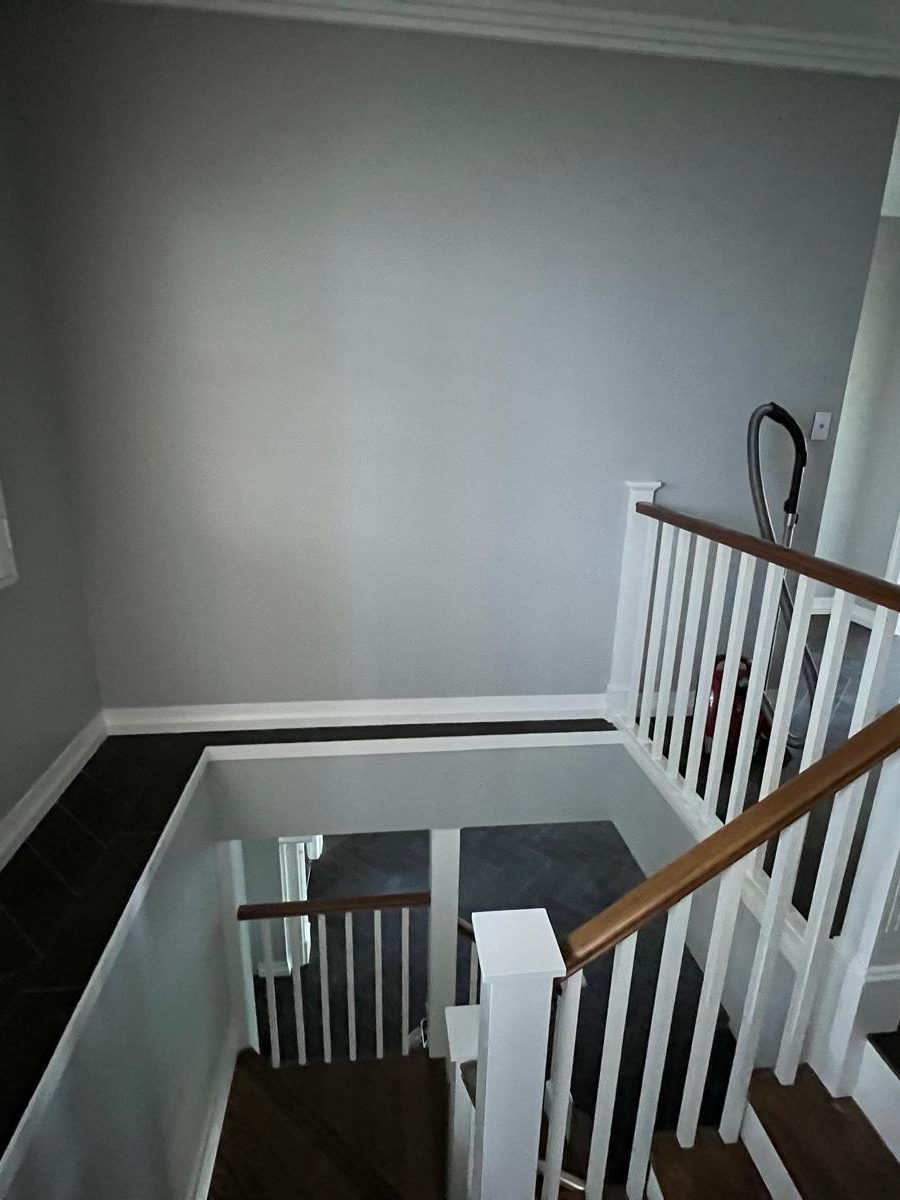
First question
Who is instructing the work, and who is paying for it
The same crack gets reported three different ways, by a tenant, by a lot owner and by a managing agent, and they are not the same job to run. Before we look at plaster we work out who is authorising the work and where the invoice goes.
An enquiry from a tenant tells us the most about the damage and the least about the authority to fix it. A tenant can let us in, describe what happened and say when the stain first appeared. Whether the work goes ahead is nearly always someone else's call.
An enquiry from a lot owner or landlord is normally straightforward when the damage sits inside the lot and nobody else is affected. We price it, book it around whoever is living there, and invoice the owner or the agent.
An enquiry from a strata manager or building manager arrives with a work order, which is the easiest version to run because the reference, the scope and the billing are already settled. What still needs arranging is access, because that sits with the resident.
An enquiry from a committee member sits in between. We are happy to look and to price it, but we will ask for the instruction to come from the managing agent or the owners corporation before the work is booked, so nobody is left holding an invoice they did not authorise.
Sorting the list
Plastering that can simply be booked, and jobs that need a decision first
Most items on a maintenance list are ordinary plastering and can be quoted and scheduled straight away. The rest are worth stopping on, because repairing them in the wrong order means paying for the same location twice.
Book it as ordinary maintenance
- Cracking along ceiling joints and cornice lines in a lobby, corridor or stairwell
- Damage in common areas from trolleys, prams, furniture moves and deliveries
- Patching after a lock, intercom, camera, sign or handrail has been changed
- Access holes cut by an electrician or plumber reaching a riser or a ceiling service
- Lot interiors between tenancies, where walls need patching before the painter arrives
- Cornice that has let go at one end and needs refixing, or a short run replaced
Settle this before plaster is priced
- A ceiling that is sagging or feels heavy, which is sagging ceiling repairs and gets assessed before anything is patched
- A stain that is still growing, because the water has to be stopped by a plumber or roofer first
- The same crack reopening in several lots or along a level, which reads as movement rather than plaster
- Damage likely to go through an insurer, which changes the paperwork first; see insurance plaster repairs
- Lining in a fire-rated corridor, riser or ceiling, where the system matters more than the finish; see fire-rated plastering
- Work in a building still inside a builder's defects period, which the owners corporation may want recorded rather than repaired
Scope
What this page takes on for a managed building
This page owns the workflow: instructions, access, protection, records and invoicing across a building or a portfolio. The plastering itself belongs to the pages that own each kind of damage, and we link to those rather than repeat them.
What we take on
- Plastering work orders priced item by item, so a quote can be approved without a phone call
- Repairs in common property: lobbies, corridors, stairwells, lift lobbies, car parks and shared laundries
- Repairs inside lots where the owner, the agent or the owners corporation instructs the work
- Recurring maintenance batched into one attendance instead of a call-out for every crack
- Access and notice arranged with residents, building managers and caretakers before the day
- Protection of lifts, floors, stairs and shared finishes, with a clean-down at the end of each visit
- Photographs before and after, and an invoice naming the building, the level, the lot and your reference
Where it belongs instead
- A single hole in one home, which is wall plastering and repairs
- Claim scopes, assessor photographs and itemised reinstatement, which is insurance plaster repairs
- Plaster that failed after a leak, which is water-damaged ceilings once the source is stopped
- Handing a commercial tenancy back at the end of a lease, which is make good plastering
- A full common-area refit with new linings throughout, which is commercial plastering
- Deciding who pays, which is for the owners corporation or the managing agent and not for a plasterer
If a work order turns out to describe one of the jobs on the right, we will say so when we price it.
Order to price
How a one-line work order becomes something a committee can approve
Most work orders arrive as a single sentence. These are the questions that turn that sentence into a number, and they are why a short site look usually beats three rounds of email.
| What the work order says | What has to be confirmed | What comes back on the quote |
|---|---|---|
| Repair ceiling crack, level 3 corridor | Length of the cracking, ceiling height, and whether it follows a joint or a cornice line | A priced repair with the number of visits, because each coat needs drying time between it and the next |
| Patch holes in unit wall after vacate | How many, how big, whether the sheet behind them is sound, and who is painting afterwards | A price per room rather than per hole, with a note on whether the wall wants a full skim instead |
| Make good ceiling after plumber access | Whether the offcut was kept, whether the cut runs to the joists, and whether cornice was removed to get in | Backing, piecing in and setting, with any cornice reinstatement as its own item |
| Ceiling stained in lot 12 | Whether the source is stopped, how long it has been drying, and whether the board has lost strength | Either a repair price, or an inspection now and a price once the ceiling has dried out |
| Sagging ceiling in the car park | How far it has dropped, what it was fixed to, and whether anything is parked underneath | An assessment first, then repair and replacement priced as two separate options |
| General plaster maintenance, whole building | A walk of the common areas with the building manager, and a written list of every location | One schedule of works with each location priced, so it can be approved in stages |
Across a building
The plaster work that keeps coming back in managed property
Buildings fail in patterns. If you look after several of them you will recognise most of this list, and knowing which pattern you are looking at is what stops the same location coming back on a work order twice in a year.
Corridor and lobby cracking
Long ceiling runs with a joint every few metres, hard downlighting and fire doors closing on springs all day. Cracking here is usually joint movement, and the sensible answer is to do a whole level at once rather than one crack per order.
Trolley, pram and furniture damage
Corners knocked out, scuffs through the paper, and holes at handle height beside the lift doors. Simple repairs, and worth batching so a corridor is only disrupted once.
Openings left by other trades
Square cuts made to reach a riser, a valve, a cable or a ceiling service. Clean repairs when the cut runs to the framing, and they need backing put in behind them when it does not.
Lot turnover patching
A unit between tenancies with a list of holes, anchor marks, bracket plates and a cracked corner. Priced per room rather than per hole, because the painter needs the whole wall to read flat.
The same ceiling, floor after floor
Damage in the same position in stacked lots almost always has one source above it, and that belongs to a plumber before a plasterer. The plaster side is water-damaged ceilings once it has dried.
Old ceilings in original blocks
Buildings where every common-area ceiling carries decades of separate patches at slightly different levels. A full skim coat over a lobby ceiling often costs less across ten years than another round of spot repairs.
How it runs
Order, look, scope, notice, work, sign-off
Six steps, and only one of them involves plaster. The other five are what makes a work order close cleanly instead of sitting open for a month.
- 01
Order and reference
We take the order with its reference, the building, the level and the lot, and carry that reference through the quote and the invoice so the paperwork lines up at the end. If the description is one line, we will ask two or three questions rather than guess.
- 02
Look at it properly
A short site visit with photographs, usually alongside the building manager or caretaker. We check the cause and not only the damage, because plastering over an unresolved leak or continuing movement means paying for that location twice.
- 03
Written scope and price
Each location listed on its own with what is being done and what it costs. Separate items matter in a building: they let a committee approve part of a schedule now and the rest at the next meeting, and they keep the invoice readable months afterwards.
- 04
Notice and access
Once it is approved we agree dates, the hours the building allows noisy work, lift bookings, parking and who is letting us in. Residents are told what to expect, including the fact that most repairs need more than one visit.
- 05
Protect, repair, set
Floors, lifts and shared finishes covered before anything comes down. Damage is cut back to firm edges, reinforced, set in coats with drying time between them and sanded flat. The area is cleaned down before we leave each day.
- 06
Photographs and invoice
Finished photographs from the same angles as the first set, then an invoice naming the reference, the location and the work. Anything we found and did not fix is written down.
Scoping On site
The quote
What changes the price on a strata plastering job
Two identical patches in two different buildings are not the same price, and almost none of the difference is the plaster.
How many locations are in one attendance
A single crack on level 3 carries the whole cost of getting there. The same crack priced with eleven other items across the building is a fraction of it. Batching is the largest saving available in managed property.
Building access and permitted hours
Loading dock bookings, lift protection, security passes, sign-in procedures and buildings that only allow noisy work between set hours all add time that has nothing to do with the repair.
Getting material in and rubbish out
Sheets, compound and trestles have to go up, and offcuts, dust sheets and waste have to come back down. A ground floor unit beside the car park and a top floor unit at the end of a long corridor are very different days.
Whether the area has to keep working
A corridor that is the only fire path, a lobby that cannot be closed, or a laundry residents need every evening all mean staging the work in sections rather than doing it in one run.
Ceiling height and staging
Standard unit ceilings are quick. Stairwell voids, double-height entries and car park soffits need proper staging, and that is a set-up cost before any plastering happens.
Getting into an occupied lot
A vacant lot can be done straight through. An occupied lot needs a time the resident has agreed to, and a missed access is a lost visit that still has to be paid for by someone.
Useful to include
What to put in a work order so it can be priced without a second email
None of this is compulsory. It is the list of things we would otherwise ring and ask for, and including it usually turns two days of back and forth into a same-day price.
- The building address, the level and the lot or common area, written the way the building signs it
- Your work order or job reference, so the quote and the invoice carry the same number
- Who authorises the spend, and whether there is an approval limit we should price under
- Two photographs: one close up, one from far enough back to show where in the room it sits
- Whether anyone is living there, and the best contact for arranging access
- Building rules: lift bookings, loading dock, parking, and the hours noisy work is allowed
- Whether painting is in someone else's scope, and who that someone is
- Anything already known about the cause, including plumbing or roof work done above it
Who is responsible for a repair is not ours to decide
Whether a particular repair sits with the owners corporation or with a lot owner depends on the scheme, on how the building was originally put together and on the circumstances of the damage. That decision belongs to the owners corporation or the managing agent, and where it is genuinely unclear it is a question for a strata lawyer rather than a plasterer.
What we can do is make the decision easier to act on. We price each location as its own item, describe the repair in plain language, photograph it before and after, and address the quote and invoice to whoever instructs the work. If the cost later has to be split between common property and a lot, the scope is already written so it can be.
Questions
What agents and committees ask us first
If yours is not here, ask it. We would rather answer it on the phone than have you guess.
Do you work directly with strata managers and property agencies?
Yes, and most of what this page describes exists because that is how the work arrives: an emailed order with a reference, a building, a lot and a one-line description. We quote against that reference, arrange the access, do the work, and invoice with the same reference on it.
We are equally happy dealing with a building manager or caretaker on the day, because that is usually the person who knows which lift can be booked and which resident works nights. If your agency has a required form, portal or purchase order process, tell us at the start.
Can one plasterer cover several buildings for the same agency?
Yes, and it is normally the cheaper way to buy the work. Small plaster jobs are dominated by the cost of getting to them, so a list of locations attended in one run prices very differently to eight separate call-outs across a month.
What makes that work is a list rather than a trickle. If minor items are collected over a few weeks and released together, most can be done in a single visit per building. Anything unsafe still gets treated as urgent.
How much notice does a resident get before someone comes into a lot?
The notice period is set by the building and by the tenancy, not by us, so we work to whatever the agent or the owners corporation tells us to give. What we supply is the detail that notice needs: the date, the expected hours, how much noise and dust to expect, and how many visits the repair will take.
That last part is the one most often left out. A plaster repair usually needs two or three short visits because compound has to dry between coats, and telling a resident that up front is what stops the second visit being refused at the door.
Can you price from photographs instead of attending?
Often, for straightforward items: a hole in a lot wall, an access cut in a ceiling, a knocked corner in a corridor. Two photographs and a rough measurement are usually enough for a price you can put in front of an owner.
Anything involving a ceiling that has moved, a stain, or a long common-area run is worth a short site visit. Photographs flatten everything, and on that sort of job the thing that changes the price is usually the thing the photograph hides.
What happens if you open something up and find it is worse than the order said?
We stop and tell you before going further. If a ceiling turns out to be wet behind the board, if a wall is loose well beyond the visible damage, or if the cause is still live, carrying on simply puts that location back on a work order within a year.
In practice that means a photograph, a short explanation and a revised item sent through for approval.
Do you paint after the plaster work, or is that someone else?
We hand the surface over paint ready: cut back, reinforced, set, sanded flat and cleaned up, which is the condition a painter needs. Painting is usually covered by someone else on a building's maintenance list, and the order should say who.
One thing worth planning for either way. Fresh compound and aged paint never match, so a repair in the middle of an existing wall or ceiling reads as a fresher patch until that surface is repainted. In a corridor that usually means painting at least to the nearest corner or door head.
Send the order
Send the work order and two photographs
We will come back with a scope you can put in front of an owner or a committee, priced location by location. If something on the list belongs to a plumber or a roofer first, we will say so.