

Wollondilly shire
Out in Wollondilly, a plasterer's week is planned around the driving
Nothing about the plastering changes past Picton. What changes is that a wasted trip costs an hour each way, so the visits get planned properly before anyone loads a van.
Wollondilly is a shire of small towns with a lot of country between them. Picton, Tahmoor, Bargo, Thirlmere, Appin, The Oaks, Oakdale, Buxton and Warragamba each sit on their own, with big blocks, long driveways and very little that could be called a street of identical houses.
The housing runs from weatherboard and fibro-era cottages through 1970s and 1980s brick to rural residential builds with high ceilings and large open rooms. Add outbuildings, granny flats and converted sheds and you have a shire where almost every job is scoped from scratch.
- Whole shire covered
- Visits grouped, not repeated
- Sheds and outbuildings too
One trip, properly loaded
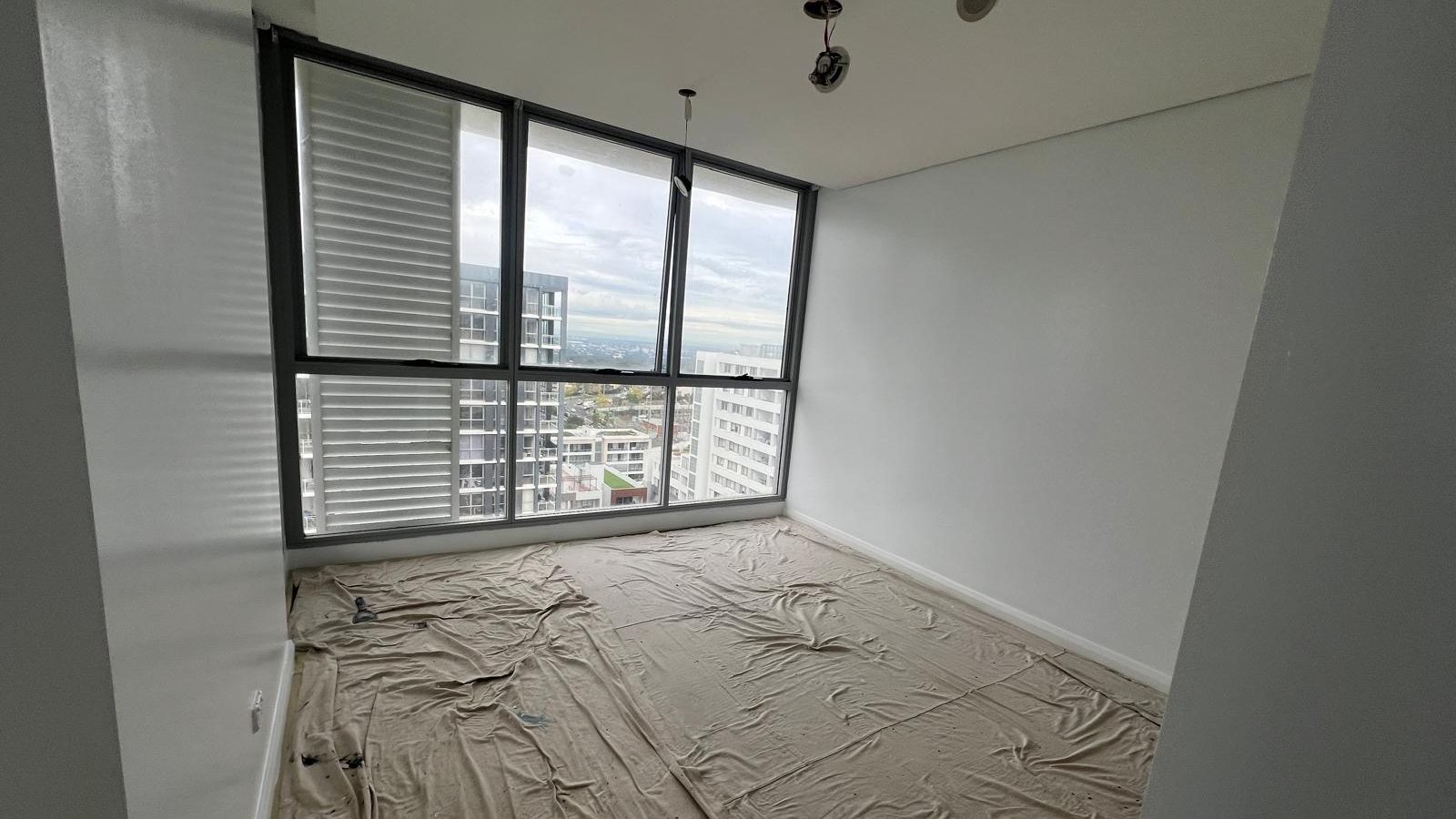
Material, backing, beads and fixings come with us. Half a day is not lost to a run back into town.
Licensed contractor
NSW contractor licence 244708C, with insurance details supplied if a builder or an insurer needs them.
Drying time respected
An unheated room in a cold month takes longer between coats. We plan for that rather than push a wet coat.
Told straight
If what you have needs a builder, a roofer or an assessment first, you hear it at the quote.
The area
Wollondilly coverage
- Council area
- Wollondilly Shire Council, NSW
- Postcodes covered
- 2571, 2572, 2573 and 2574 through the main towns, out to 2752 at Warragamba
- Common work here
- Ceiling repairs, wall repairs, whole-room skims, shed and granny flat linings, cornice
- Nearest covered areas
- Camden, Campbelltown, Liverpool, Penrith
Scheduling
Planning the visits when the round trip is the biggest cost
Setting is coats with drying time between them, so any real job means coming back. Out here that is the part worth organising carefully.
- 01
Photos and a description of the access
Pictures of the damage, plus the driveway, the gate and whether a van can get to the door. On a rural block that is as useful as the photos.
- 02
Everything scoped in one look
If there are other rooms, an outbuilding or a list you have been putting off, get it all quoted at once. Four small jobs on one trip cost far less than four trips.
- 03
Material in a single drop
Sheet, compound, tape, beads and backing arrive together. Nothing about the day should depend on a shop being open nearby.
- 04
Coats across grouped visits
Cut back, reinforce, then build up in coats. We space the return visits so each coat is genuinely dry rather than touch dry.
- 05
Sand and clean down at the end
One sanding and clean-up visit covers the lot, checked with a light held flat along the surface before we leave.
Before we drive out On the block
Sort this first
Straightforward out here, and not straightforward out here
Older housing on large blocks throws up a few things that are not plaster problems at all. Sorting those first saves you a trip as well as us.
Book the plastering
- Joint and cornice-line cracking in a plasterboard ceiling
- Fixing pops, knocks, holes and damaged corners
- A room that has been patched so often it needs one flat skim
- New rooms, outbuildings and granny flats needing lining and setting
- Cornice damaged where a wall, a door or a window has been changed
Needs sorting before plaster
- Cracking that reopens in the same line every year, which is movement
- A ceiling that sags, feels soft or has gone heavy in one area
- Stains under a roof or a valley that have not been chased to a source
- Older fibro-type sheet or a sprayed ceiling coating you plan to disturb
- Damp at the base of a wall on an older cottage with no subfloor airflow
Older stock
Weatherboard and fibro-era houses, and what sits behind the paint
A fair share of the older housing through Picton, Thirlmere, Bargo and The Oaks was built with sheet lining on timber rather than modern plasterboard. Painted, it looks identical. It is not the same to work on.
The practical difference is what happens at the edge of a repair. Older sheet is often thinner, more brittle and fixed differently, so cutting back can take more material with it than you intended. Backing usually has to go in behind the opening, and the joint has to be reinforced properly rather than skimmed over.
Before anything is cut, sanded or pulled off, older sheet linings and sprayed ceiling coatings have to be assessed by a competent person, because some materials from that era are not safe to disturb. That assessment comes first, every time. Where a ceiling coating is the question, the vermiculite and textured ceilings page explains how it is approached.
Where the existing lining is sound but tired, replacement is rarely the answer. A whole-room skim coat brings a wall or ceiling back to one flat plane without disturbing anything, and on an older cottage that is very often the better call.
Pricing
What the block and the distance add to a quote
Six things carry most of the difference between one job out here and the next.
How many visits the work needs
The number of drying windows sets the number of trips, and out here a trip is a real cost. Grouping work is the biggest saving available to you.
Where the van can get to
A long unsealed driveway, a gate, a steep approach or a soft paddock all decide whether sheet gets carried or driven to the door.
What the existing lining is
Modern plasterboard, older sheet lining and solid plaster all cut, back up and finish differently, and one of them needs assessing first.
Room size and ceiling height
Rural residential builds often have large open rooms and high or raked ceilings. More area and more staging both add time.
Time of year
A cold, damp month in an unheated room genuinely slows drying between coats, which stretches the calendar even though the work is the same.
House, shed or new structure
Repairing a lined room is one job. Lining a shed or a granny flat from the frame out is another, and it usually needs framing checked first.
Not just the house
Four buildings out here that are not the main house
On a large block the job is often somewhere other than the house, and each of these gets scoped differently.
Sheds being lined out
A steel shed becomes a workshop, a studio or a rumpus. Battens or a stud frame have to go in first, and insulation and any vapour control belong in that conversation before board.
Granny flats and secondary dwellings
A separate small dwelling has its own lining requirements at wet areas and at any wall or ceiling that has to meet a fire or acoustic rating. Those get confirmed before sheet is ordered.
Converted garages and farm buildings
Masonry or exposed frame, no ceiling battens and a slab that steps down. The framing and furring work decides most of the price, not the setting.
Large rooms with high voids
Rural residential houses often have a raked living ceiling or a two-storey void. Long spans and staging change the day, and sheet layout has to be set out before it goes up.
Where to go next
Pages that fit the work in this shire
Each explains the job, how it is scoped and what changes the number.
- Ceiling repairs for joint lines, fixing pops and old patches showing under the light
- Wall plastering and repairs for holes, knocks, damaged corners and tired rooms
- Skim coating for an older room brought back to one plane without disturbing the lining
- Gyprock and plasterboard for new sheeting and setting in a room or an outbuilding
- Partition walls and framing where a shed or a large room is being divided
- Renovation plastering for additions, verandah closures and reworked layouts
- Cornice for damaged runs and older profiles that need matching
- Water-damaged ceilings for reinstatement once a roof leak is stopped
Also covered
Wollondilly questions
Distance, older cottages and outbuildings
Six things people out here ask before booking.
Is Wollondilly too far out for you to bother quoting?
No. Picton, Tahmoor, Bargo, Thirlmere, Appin, The Oaks, Oakdale, Buxton, Douglas Park and Warragamba are all covered, and so are the rural addresses between them.
The honest part is scheduling rather than distance. We would rather give you three sensible dates a week apart than promise tomorrow and not turn up. If there is other work to look at, mention it and it goes on the same trip.
Cracking comes back along our weatherboard cottage ceiling every winter. Why?
Because something is moving with the seasons and the plaster is only showing it. An older timber-framed cottage expands, contracts and takes up moisture differently through the year, and the ceiling joints are the weakest line.
A reinforced repair holds far better than a filled one, and that is what we would do. If the same line keeps opening after a proper repair, the answer is under the house or in the roof, not in the compound, and it is worth having someone look at the structure.
Can you line a shed or a granny flat, or is it houses only?
Both, and shed work is common here. A steel shed has nothing to fix board to, so battens or a stud frame go in first, with insulation and any vapour control decided at the same time. That framing is usually the larger part of the cost.
A granny flat has its own requirements at wet areas and at any wall or ceiling with a fire or acoustic rating, so those are confirmed before sheet is ordered. Gyprock and plasterboard covers the sheeting and setting.
There are old fibro sheets on the walls in the back rooms. Can you just sheet over them?
Not before they are assessed. Some sheet materials of that era must not be cut, drilled, sanded or pulled off, and whether that applies to yours is a question for a competent person with the right qualifications, not for a plasterer with a knife.
Get the assessment first. Depending on what it says there may be an approach that does not disturb the material at all, and there may not be. We will not quote work on suspect sheet before that is settled, and we do not take on removal.
We are on tank water and the outbuilding has no power. Does that matter?
It matters enough to mention at the quote. Mixing, cleaning tools and washing down need water, and lights and sanding gear need power. Neither is a problem if we know in advance.
What causes trouble is finding out on the morning. Tell us what is available at the building itself rather than at the house, and the day gets planned around it.
Is it cheaper to get several things done at once?
Noticeably, yes, and out here more than anywhere. The fixed costs of a job are travel, set-up, protection and the sanding and clean-up visit. Those are paid once whether we repair one ceiling or five rooms.
So if there is a hole in the hallway, a cracked ceiling in a bedroom and a shed you have been meaning to line, quote them together rather than one at a time.
Wollondilly quotes
Send the photos and describe the driveway
Tell us the town, what the damage looks like and how a van would reach the door, and we can give you a price and dates that will actually hold.