
Water-damaged ceilings
Reinstating a ceiling after water, once the entry point is fixed and the structure above has actually dried.
Water damage
Plastering Gyprock Ceilings
Hawkesbury
Reinstatement is a large share of the plastering in this council, and the part that decides whether it lasts happens before any compound is mixed.
The Hawkesbury is two places at once. There are the old river towns, Richmond, North Richmond, South Windsor, Bligh Park, Hobartville and McGraths Hill, tight and long-established. Behind them sits an enormous semi-rural footprint, out through Wilberforce, Pitt Town, Glossodia, Kurrajong and Bowen Mountain.
The river flats have a long flood history, and both sides of the council carry plenty of older housing. Between those two facts, a steady part of the work here is putting walls and ceilings back after water has been through them. That is ordinary work. Doing it before the structure has dried is not.
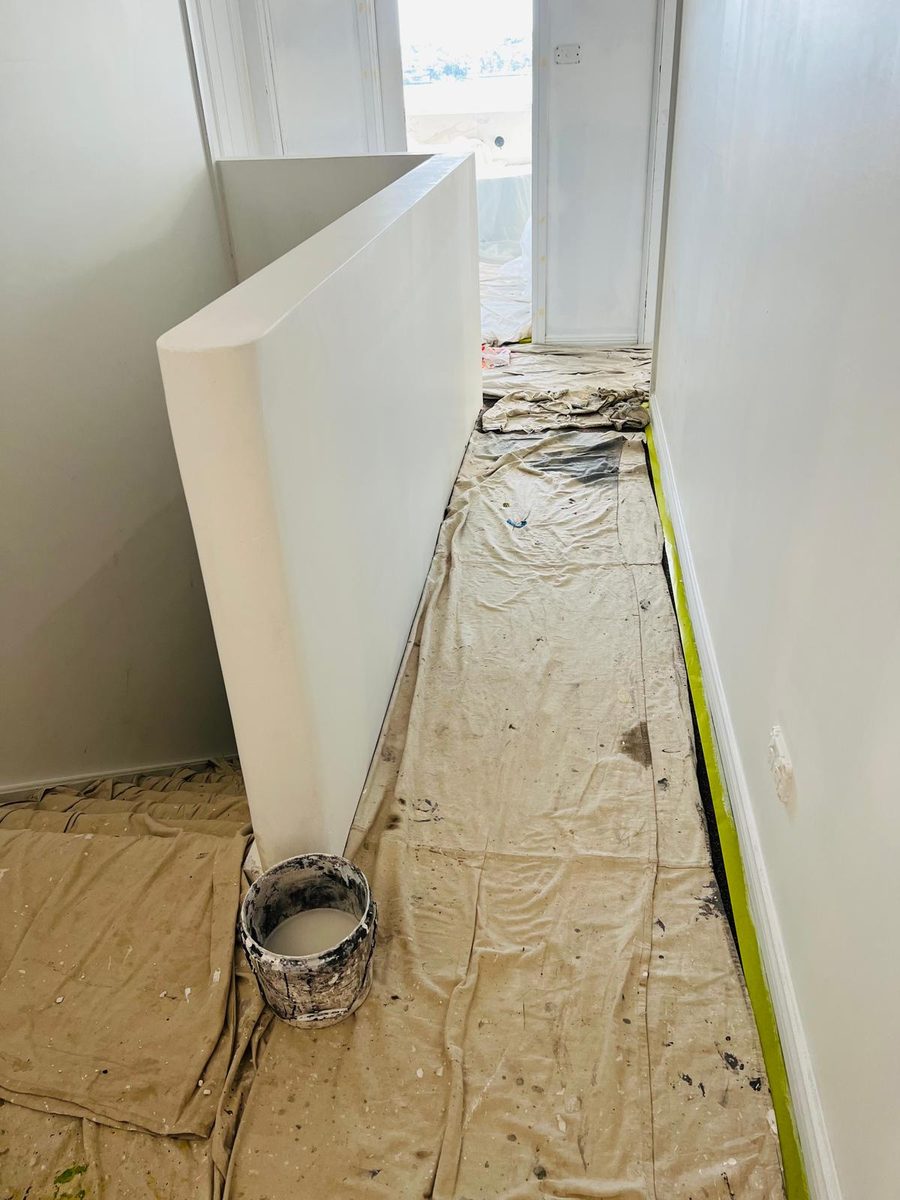
Dry first, then plaster
We check that the structure has dried, not that the surface looks dry. Reinstating early is the most expensive shortcut there is.
Licensed contractor
NSW contractor licence 244708C, with insurance details available for builders, insurers and property managers.
Scoped in writing
What is being cut out, what is being kept and what is being reinstated, set down before work starts.
One trip, properly loaded
Out past the towns a return run costs an hour each way, so material and backing come with us.
The area
Two Hawkesburys
A job at South Windsor and a job at Kurrajong Heights are the same trade and a very different day. Which one you are is the first thing we ask.
In the towns the housing is close together and mostly older: weatherboard and brick cottages, post-war and 1970s brick, with 1990s infill around Bligh Park and Windsor Downs. Access is usually straightforward and the common work is ceiling repairs, patching and whole-room skims. Windsor itself has its own page at plasterers in Windsor.
Behind the towns the council opens into a very large rural area. Long driveways, steep approaches at Kurrajong Heights and Bowen Mountain, bigger houses, outbuildings and sheds being lined out. Out there the round trip is a real cost, so we scope everything in one visit and group the return trips rather than driving out for each coat.
What the two halves share is age. Much of the housing on both sides went up before modern plasterboard was standard, so the material behind the paint is not a safe assumption and gets checked before anything is cut.
Timing
Reinstatement fails for one reason above all others: it went on too early. This is the split we apply before quoting anything water related.
The order
The plastering is the last third of a water job and the easiest third. The value is in the two steps before it.
Roofer, plumber or builder first, depending on where it came from. Photograph everything before anything is cut out, especially if an insurer is going to be involved.
Framing, insulation and the back of the lining hold water long after the paint feels dry. Drying properly takes days to weeks depending on the season and the ventilation.
Some lining reinstates with a patch. Some has swelled, delaminated or lost its fixings and has to come out. That decision is made on the material, not the size of the stain.
Failed material removed, backing added where nothing sits behind the opening, new board fixed to the frame, joints reinforced properly.
Built up in coats with real drying time, sanded back, checked with a light held flat along the surface, then cleaned down and handed over paint ready.
Before plaster Plastering
Boundaries
Being blunt about this saves a trip out here, which is worth more than it sounds.
We would rather tell you the ceiling is not ready than book it in, coat it, and have you looking at the same stain in spring.
Pricing
Six things carry most of the difference between one quote and the next.
After water, the material decides this. Swollen or delaminated lining comes out; sound lining with a stain gets cut back and reinstated.
One ceiling in one room is straightforward. Water that has tracked along a wall cavity or into two rooms is a much larger scope.
Modern board, older sheet lining and solid plaster behave differently at the edge of a repair, and one group needs identifying before anything is cut.
A run to Richmond or South Windsor is short. Kurrajong Heights, Bowen Mountain or Wilberforce is a real trip, and the number of visits matters more.
Claim work needs its own scope, photographs and documentation before and during, and that time has to be in the quote.
Drying between coats is slower in a cold wet month or in a closed-up house. That stretches the calendar without changing the work.
Start here
Each explains the work, how it is assessed and what changes the number.
Reinstating a ceiling after water, once the entry point is fixed and the structure above has actually dried.
Water damageWhat a claim-related plaster scope covers, what documentation is usually wanted and how the work is quoted.
Insurance workWhat is involved when a ceiling is past repairing: strip out, new sheet to the frame, cornice reinstated and set.
ReplacementHoles, knocks, swollen skirting-line damage and tired rooms brought back flat and paint ready.
Wall repairsHawkesbury questions
Six questions that come with river-town and rural housing.
Because you measure it rather than look at it. Paint and set compound will feel dry while the framing, the insulation and the back of the lining above are still holding water, and that water has nowhere to go once a new coat seals the face.
Moisture readings are the job of a restoration contractor rather than a plasterer, and where a claim is involved they are usually taken anyway. If nobody has taken any, the safe approach is airflow, patience and a second look.
Yes. Richmond, North Richmond, Windsor, South Windsor, Bligh Park, Hobartville, McGraths Hill and Windsor Downs, and out through Glossodia, Pitt Town, Wilberforce, Kurrajong and Kurrajong Heights.
What changes out there is the schedule. A repair needing three drying windows means three trips, so we group the visits and quote everything you want done in one look.
Because the two halves are built differently and they move independently. Different footings, different framing, different ages of timber, and a rigid plaster joint across the middle of all that. The crack is doing what the building is asking it to do.
A reinforced repair with the junction detailed to allow small movement holds far better than a filled one. Where the movement is larger, the honest answer is a deliberate joint at that line rather than pretending the two halves are one wall.
Sometimes, and the material tells you. Lining that has swollen, gone soft, lost its fixings or delaminated is finished, and patching around it just moves the problem. Lining that is sound apart from a stain usually cuts back and reinstates well.
The other factor is how many patches the ceiling already carries. Once there are several at slightly different levels, one full plane gives a better result than another repair. Ceiling replacement covers what a strip-out involves.
Both happen and it depends on the insurer and the policy. Some want a scope and a quote from a trade of your choosing, some appoint their own builder and subcontract the plastering, and some settle and leave you to organise it.
What helps either way is documentation: dated photos before anything is touched, a written scope of what is being cut out and reinstated, and a note of who fixed the source and when. Insurance plaster repairs explains how that work is put together.
Whoever owns the cause. Water from above in wet weather is usually a roof, a valley, a gutter or flashing. Water that appears regardless of weather is usually plumbing. Damage low on a wall after a river event often involves a restoration contractor first.
If you are not sure, send photos and describe when it happens. We will tell you who to call first even where that means we are not quoting anything yet, because the alternative is reinstating a wall that gets wet again.
Hawkesbury quotes
The suburb, what happened, who has fixed the cause and how long it has been drying are the four things that let us give you a straight price and an honest start date.