

Blacktown City
Blacktown plastering splits two ways: the old brick and tile, and the new estates
This council runs from streets that were sheeted in the 1960s out to estates that were paddocks fifteen years ago, and the job changes completely depending on which end of it you are at.
Blacktown itself, Seven Hills, Mount Druitt, Rooty Hill, Doonside, Marayong and Lalor Park are mostly detached brick and tile from the 1960s through the 1980s. Those ceilings were sheeted to timber battens, and sixty years of seasonal movement has quietly loosened a share of the fixings holding them up. What we see is joint cracking, rows of fixings pushing proud, and older textured surfaces nobody wants to touch.
North and west of that it is a different decade. Glenwood, Stanhope Gardens, Kellyville Ridge, The Ponds, Quakers Hill and Plumpton are newer detached housing on smaller blocks, with big open plan rooms, square set edges and long uninterrupted walls. The work there is new house lining, garage conversions, extensions and repairs to board that is not old enough to have loosened.
- Old ceilings tested for fixing
- New builds and renovations both
- Whole-house ceilings staged room by room
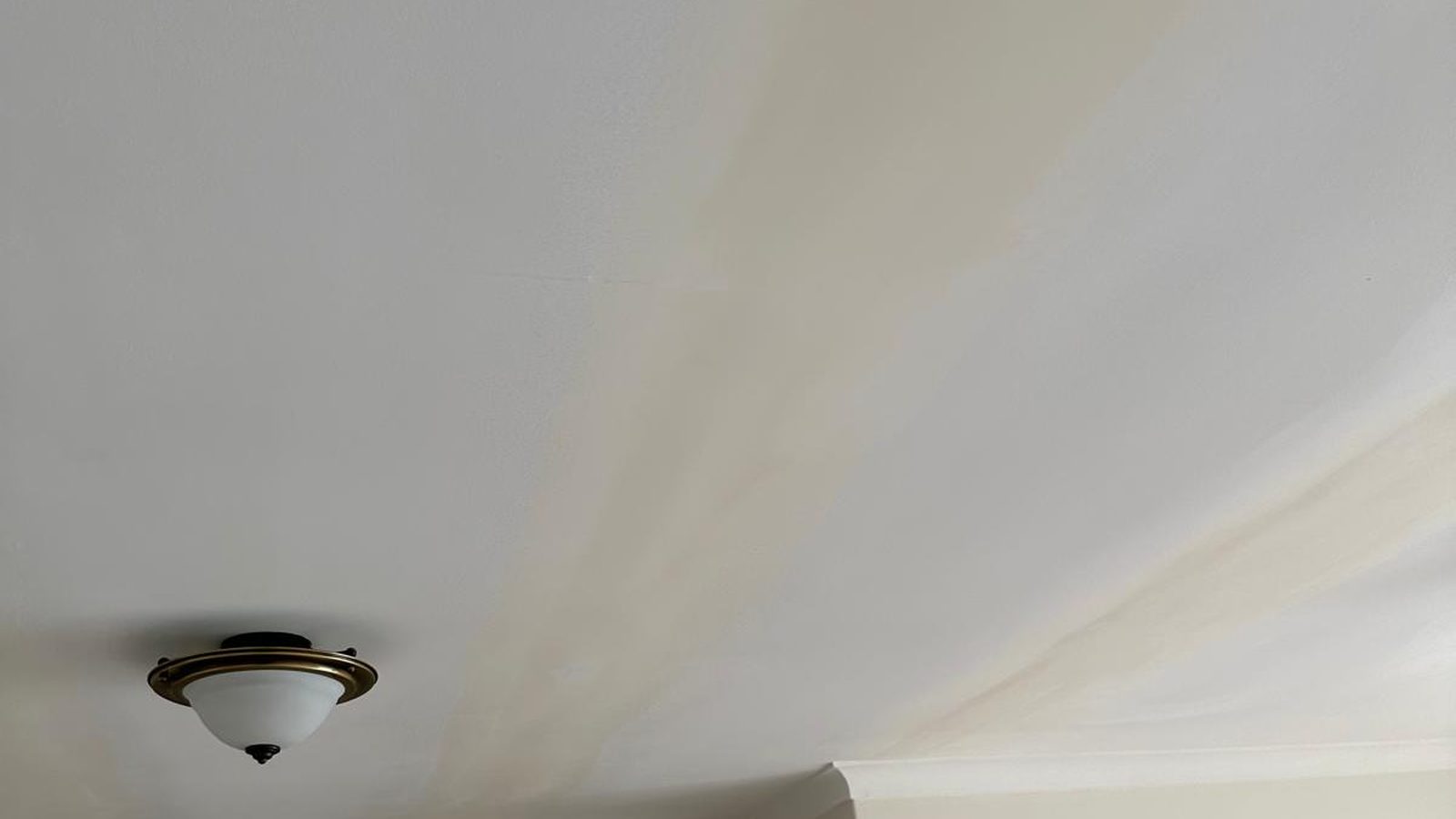
We ask the build year first
It decides whether we are looking at loose fixings or at shrinkage in new board.
Refix, piece in or re-sheet
Three different amounts of work get described in the same words on the phone.
Whole houses staged, not rushed
Every ceiling in a house is normally done in stages so rooms stay usable.
Suspect surfaces assessed first
Nothing gets sanded, scraped or wet down before anyone knows what it is.
Blacktown coverage
- Council area
- Blacktown City
- Suburbs covered
- Blacktown, Seven Hills, Mount Druitt, Quakers Hill, Rooty Hill, Doonside, Glenwood, The Ponds, Stanhope Gardens, Kellyville Ridge, Plumpton, Lalor Park and more
- Postcodes covered
- 2147, 2148, 2761, 2762, 2763, 2766, 2767, 2768 and nearby
- Nearest covered areas
- The Hills Shire, Penrith, Cumberland, Parramatta, Fairfield
The older belt
What sixty years of seasonal movement does to a battened ceiling
In the established suburbs this is nearly every ceiling call we take, and the answer turns on the fixings rather than on how bad the cracking looks from the floor.
A 1960s or 1970s ceiling is sheeted to timber battens with nails or early screws. Timber moves as it takes on and loses moisture through the year, and every cycle backs a fixing out a fraction. After six decades fewer fixings are holding the sheet than it started with, and the survivors carry more than their share. The joints move, so the joints crack.
If most of the fixings are sound, the ceiling gets refixed beside the failed ones, old heads cut out and spotted, joints reinforced, then set and sanded back to one plane. If whole bays have let go, refixing only pushes the load onto the next weakest point, and taking the ceiling out and re-sheeting is the cheaper answer over the life of the house.
Where a ceiling in that belt also carries an older sprayed or trowelled coating, nothing starts until the coating is identified. Suspect material has to be assessed by a competent person before it is disturbed, which includes sanding and scraping, and the options after that are set out on the vermiculite and textured ceilings page.
Newer houses
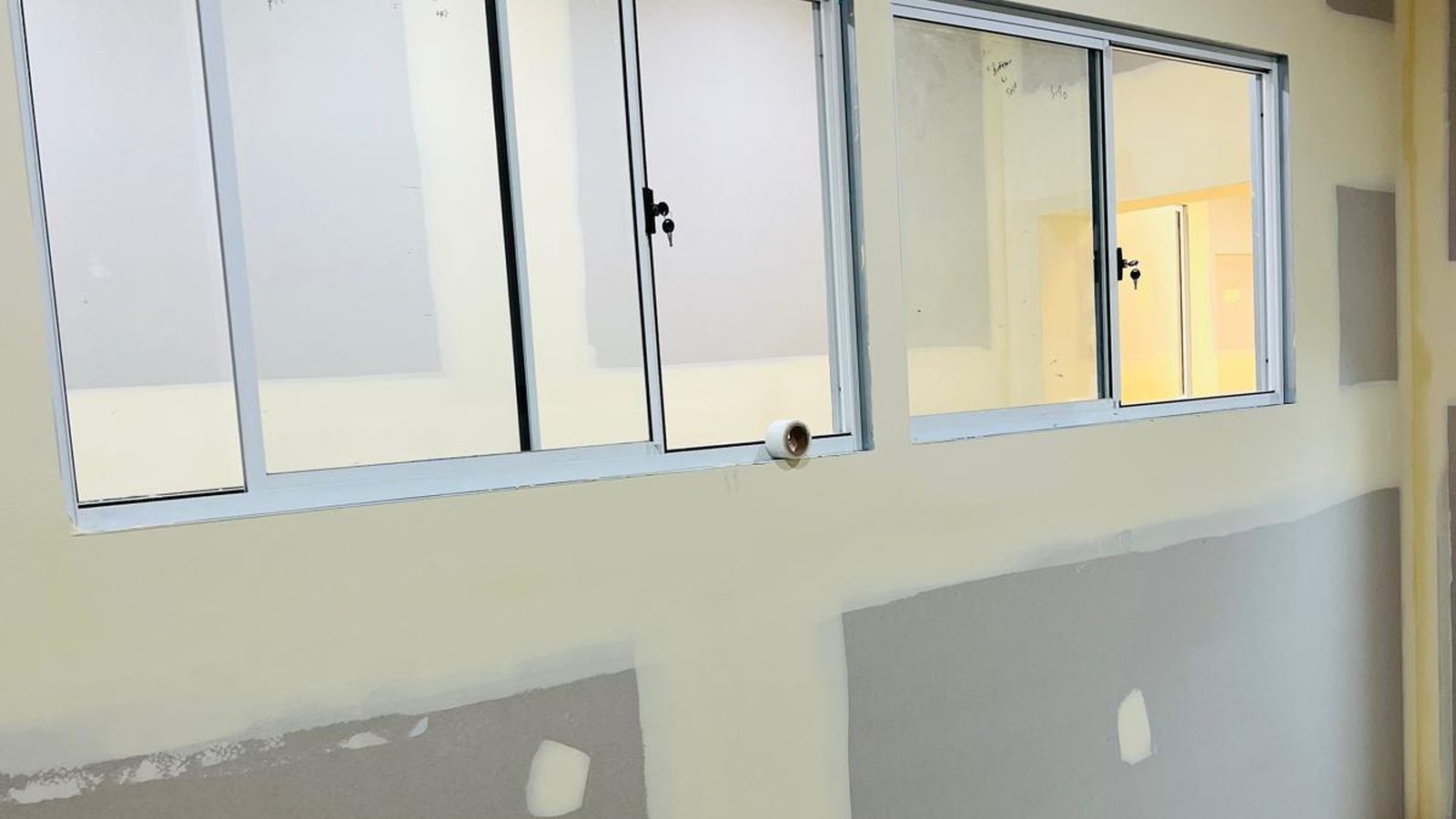
A ten year old house: settling, or worth a second look
Newer estate housing cracks too, and most of it is nothing. Run a torch flat across the surface so the light rakes it, and the two columns separate quickly.
Normal for a house this age
- Fine hairlines along ceiling joints in the first few summers
- Small cracks at the top of a wall where a square set edge meets the ceiling
- Hairlines above and beside door and window openings
- Damage where a light, fan or vent has been moved
Get this looked at before plastering
- Cracking wider than a coin edge, or stepped rather than straight
- Cracks that carry through the brickwork outside on the same line
- Doors and windows that have started binding at the same time
- Any stain with a defined edge to it, which is a roof or plumbing question first
Three kinds of work
What the estates, the old streets and the new builds each need
Repair, refix and re-sheet
Brick and tile at Blacktown, Seven Hills, Mount Druitt, Doonside, Rooty Hill and Lalor Park. Ageing ceilings, wall damage from decades of furniture, cornice reinstated after a ceiling comes down. Driveways and side access are usually generous, which makes these the easiest sites in the council.
Renovation and reconfiguration
Glenwood, Stanhope Gardens, Kellyville Ridge, The Ponds and Quakers Hill. Garages turned into rooms, walls removed, alfresco areas closed in, and long walls that show every imperfection under big windows. Most of it is renovation plastering.
Volume lining from bare frame
Houses going up on the northern and western edges. Sheeting, setting, cornice and square set to a fixed program, coordinated with the builder rather than the owner. That scope sits on the new home plastering page.
Scope and staging
Three jobs, three ways they get run
| The job | What gets plastered | How it is normally staged |
|---|---|---|
| One ceiling in an older house | Cracking raked out, fixings refixed and spotted, joints reinforced and set | Two or three short visits, because each coat has to dry before the next |
| Every ceiling in an older house | The whole plane refixed or re-sheeted, then cornice reinstated room by room | Room by room so the house stays livable, or all at once if it is empty |
| A garage or alfresco conversion | New wall and ceiling lining, set flush to the existing rooms at the junctions | After the framing, wiring and insulation, before the floor goes down |
| A new house from bare frame | Sheeting, setting, cornice and edge details through the whole house | To the builder's program, in a single run of trades rather than in visits |
Before the quote
What changes the price out here
The council is large and the housing is varied, so two jobs described the same way on the phone can be very different once we look at them.
How much of the plane is involved
One patch in a room is priced differently from cracking along every joint, and differently again from every ceiling in the house.
Whether it is a refix or a re-sheet
Refixing an ageing ceiling and taking it out and re-sheeting it are different jobs with different disposal, cornice and dust implications.
Cornice matching
A standard cover profile is easy to match. An older or deeper run, or a house where only two rooms are being done, takes longer to get right.
Room size and wall length
The long unbroken walls in newer houses take more setting work than a small room, because raking light across them shows any variation.
Whether the house is occupied
An empty house is quick to protect and quick to work through. A furnished, lived-in house is staged room by room and that changes the day count.
Access and stock delivery
Full sheet lengths need a clear path in. Tight new-estate frontages, narrow side access and steep driveways all add handling.
Where to next
The work this council sends us most
- Ceiling repairs for joint cracking, loose fixings and access cuts in the older brick and tile belt
- Ceiling replacement where too many fixings have failed for a refix to be worth paying for
- New home plastering for houses being lined from bare frame in the newer estates
- Renovation plastering for garage conversions, extensions and walls taken out
- Cornice where a run has to be reinstated or matched after ceiling work
- Skim coating to bring a ceiling carrying decades of separate patches back to one plane
East, west and north of Blacktown
Adjoining council areas
Around Blacktown
Questions the older and newer halves send us
If yours is not here, ask it. We would rather answer it on the phone than have you guess.
Every ceiling in our brick and tile house is cracking. Do they all have to come down?
Not necessarily, and it is worth checking properly before anyone assumes it. Cracking across a whole house usually means the same fixing pattern is failing in the same way in every room, and if the majority of fixings are still holding, each ceiling can be refixed, reinforced, set and sanded back flat.
What tips it towards replacement is how much has actually released. We check fixing lines across each plane and feel for movement bay by bay rather than judging it from the cracks. If several ceilings move in several places, re-sheeting is usually cheaper over ten years than refixing twice.
Can the ceilings be done while we are living in the house?
Yes, and most are. The work is staged room by room so you always have somewhere to be, floors and anything that cannot be moved are covered, and we clean up at the end of each visit rather than at the end of the job.
Two things to plan for. Sanding makes fine dust, so rooms are sealed off where they can be, and it is worth telling us at the quote if someone in the house is sensitive to it. A full ceiling replacement in a room is genuinely disruptive, so those get booked for a day you can be out of that room.
Do you line new houses in the estates, or only repair existing ones?
Both. A new house from bare frame is sheeting, setting, cornice and edge details run to a builder's program, with the plastering slotted between the electrician and insulation ahead of it and the painter behind it. That scope is set out on the new home plastering page.
It is a different kind of job from a repair. Pricing is by area and the program matters more than the diagnosis, because there is nothing to diagnose. What does matter is the edge details, the setting out of bulkheads, and getting the long walls flat enough to hold up under the big windows those houses have.
We are closing in the garage. What does the plastering part involve?
Wall and ceiling lining to the new framing, insulation checked as present where it should be, then setting, sanding and cornice or a square set edge to match the rooms it opens onto. The junction where the new lining meets the existing house is the part worth getting right, because that is where it shows.
Timing matters. The plastering goes in after framing, wiring, plumbing and insulation and before flooring. If the slab was the original garage slab, the floor build-up can change where the skirting and the bottom of the lining sit, so it is worth having that settled before we sheet.
Cracks have appeared in a ten year old house. Is that a problem?
Usually not. Fine hairlines along ceiling joints, at the top of walls and above door openings are normal as a house settles and as the board and framing move with the seasons. They get cut out, reinforced, re-set and sanded, and generally that is the end of them.
Worth taking seriously is cracking that is wide, stepped or diagonal, cracking that carries through the external brickwork on the same line, or doors and windows binding at the same time. That is a builder or engineer question before it is a plastering one.
Get it looked at
Send a photo and tell us roughly when the house was built
Those two things sort most enquiries out here, because the build year tells us whether we are looking at loose fixings or at ordinary movement in newer board.