
Renovation plastering
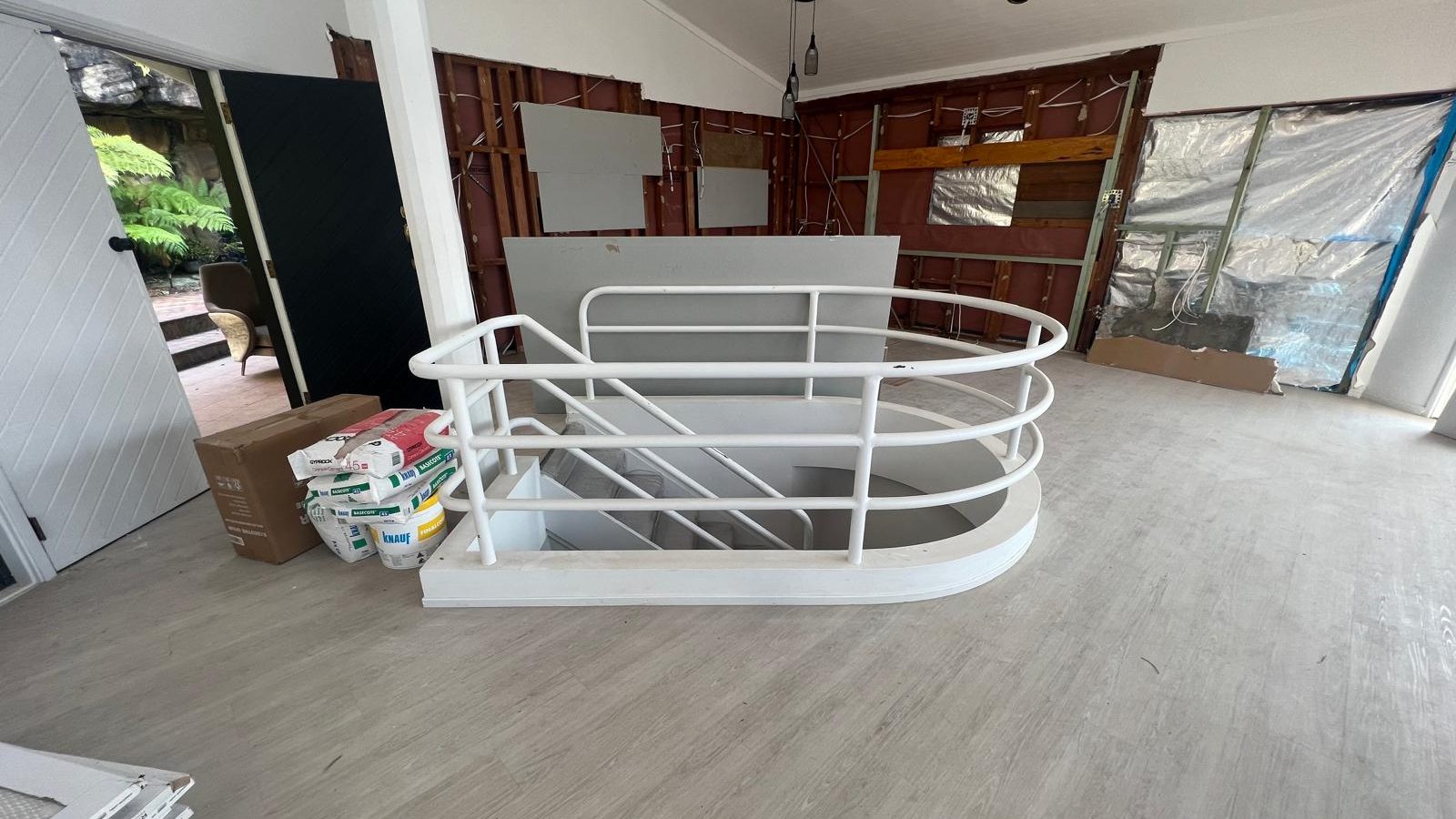
New linings in an extension or second storey, brought back into the original house so the junction does not read.
Renovation work
Plastering Gyprock Ceilings
Canada Bay
Two very different kinds of building sit inside one council here, and the plaster work they need has almost nothing in common, so a quote starts with which one you are standing in.
Drummoyne, Russell Lea, Chiswick, Rodd Point and the older streets of Five Dock and Concord are largely Federation and interwar houses, and most of them have been opened up, extended at the back or built over at some point. The plaster problems that follow are nearly all about the junction between old work and new.
Rhodes, Liberty Grove and Breakfast Point are the other half of the council. The board, the cornice and the setting there are modern, the faults are different, and so is the way you get into the building to fix them. Both are ordinary work for us. They are not the same job.
We read the wall first
Solid plaster and plasterboard fail in different ways. We work out which one you have before pricing it.
Cornice matched, not approximated
An original profile gets measured and matched so the new length does not read as a repair from the doorway.
Apartments included
Lift bookings, dock hours and strata approvals are part of the plan, not a surprise on the first morning.
Straight answer on scope
If patching will not hold, you hear it at the quote rather than after the second visit.
The real question here
Almost every older house in Drummoyne, Five Dock or Concord has been changed at least once. The plastering question is rarely the new room. It is the line where the new room meets the original house.
Original walls in a Federation or interwar house are usually solid plaster over brick, or lime plaster on timber lath. Neither behaves like modern plasterboard. Solid plaster is harder, thicker and sits at a different depth, so a newly sheeted wall run straight into it leaves a step you can feel with the back of your hand long before you can see it.
That decision gets made at the quote. Sometimes the new board is packed out to meet the old plane, sometimes the old surface is cut back at the junction, and sometimes the room simply reads better with a skim coat across both so one plane carries through. Original cornice is the other giveaway, usually deeper than anything on a merchant's shelf, which makes matching it cornice work rather than a length off the rack.
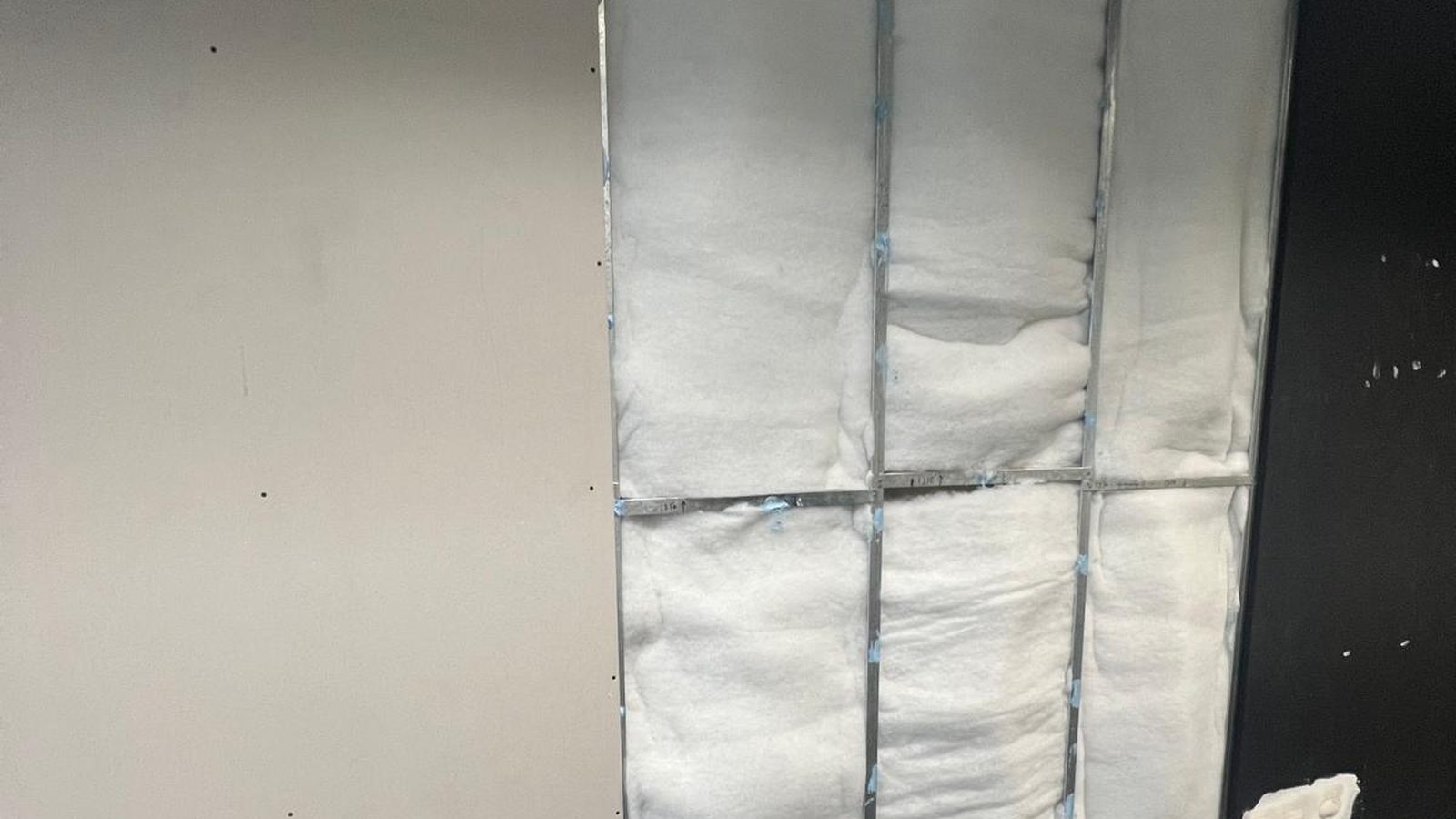
What comes up
These are the jobs the housing here produces. Knowing which one you are looking at is most of the way to a useful quote.
Five Dock, Concord and Abbotsford are full of brick bungalows whose ceilings have had eighty years of seasonal movement. Joint cracking and fixings working loose are the two calls this part of the council generates most.
Rear extensions and second storeys on Federation houses in Drummoyne, Russell Lea and Chiswick. The new rooms are straightforward. The junction back into the original walls is where the work sits.
Rhodes and Liberty Grove are almost entirely apartments. Damage during a move, a repair after water from the unit above, or a whole unit brought back to condition between tenancies.
Downlights, ducted air-conditioning and rewiring all leave square openings in otherwise sound board. Bringing those back flat so they vanish under paint is steady work across the council.
Houses on the exposed river edges at Chiswick, Rodd Point and Cabarita take driven rain on the weather side. A stain with a hard edge usually has a roofing cause behind it.
Pressed patterns, deep cornice and ceiling roses in older Federation rooms are restoration work, not repair. They get assessed before anything is scraped or filled.
Know what is behind the paint
Tap a wall with a knuckle. Solid plaster on brick is dead and hard, plasterboard is hollow between the studs, and lath and plaster sounds hollow but softer. That one test tells you a lot.
| What you have | How it usually fails | What the repair involves |
|---|---|---|
| Solid plaster on brick | Cracks that wander rather than run straight, and hollow areas where the render has released from the brickwork | Sound out the hollow sections, take off what has let go, build back in coats to the original depth |
| Lime plaster on timber lath | Sagging between the lath lines, or a section that moves under light pressure because the keys have broken | Work out whether it can be secured again, or take that section down and sheet back to the frame |
| Plasterboard in a mid-century house | Hairlines following the sheet joints, and fixings pushing small discs proud of the surface | Refix beside each one, rake and reinforce the joints, set in coats and sand back flat |
| Modern board in an apartment | Shrinkage cracking at internal corners and above door heads in the building's first years | Cut out, reinforce and re-set, then check the movement has settled before it gets painted |
| A wall carrying old and new | A step or a shadow line down the junction where two surfaces meet at different depths | Pack out, cut back or skim across the join so a single plane carries through the room |
Before the number
Two jobs that sound identical on the phone can be very different once someone is in the room. These are the things that change the figure here.
Solid plaster is repaired in depth rather than in one skim, so it prices differently to plasterboard. Knowing which you have is the first thing we establish.
A plain modern run is quick. Matching a deep original profile means measuring, sourcing and more careful setting on both sides of the join.
The peninsula streets through Chiswick, Rodd Point and Wareemba are narrow with short frontages. Carrying full sheets any distance changes how the day runs.
At Rhodes and Liberty Grove there are lift bookings, dock hours, floor protection and often a strata approval before anything starts. That is planning, not padding.
If water is still getting in or the frame is still moving, the surface repair costs you twice. That gets sorted before anything is set.
On the exposed side of a house near the water, wind-driven rain finds flashings, box gutters and mortar joints long before it finds a fault in the plaster. A brown mark with a defined edge means something upstream is letting water in.
Setting over it hides it for a season, then it returns bigger. Once the source is stopped and the space has dried properly, reinstating the ceiling is water damage work and we can price it honestly.
Where to go next
Four pages covering the bulk of what gets called in across Canada Bay.
New linings in an extension or second storey, brought back into the original house so the junction does not read.
Renovation workMatching, extending or replacing a run, including the deeper original profiles common in Federation rooms.
CorniceJoint cracking, fixings pushing proud, old patches showing as shadows and access cuts left by other trades.
Ceiling repairsCommon property and unit repairs in the apartment buildings, scoped and reported the way a building manager needs it.
Strata work
Local questions
If yours is not here, ask it. We would rather answer it on the phone than have you guess.
Yes. Work inside a unit and work on common property are both normal, though they get booked differently. Anything in a corridor, lobby or lift area goes through the building manager first.
What helps most is the building's rules up front: dock or lift booking times, whether there is a goods lift, protection requirements and the hours work can make noise. That is the difference between a clean two-day job and three half days.
Solid plaster can almost always be repaired. Cracks are raked out and built back in coats, and hollow areas where the render has released from the brick are taken off and rebuilt to the original depth. It is slower than patching plasterboard because it is repaired in thickness.
Sheeting over the top is a real option, but a bigger decision than people expect. It changes the depth at every architrave, skirting and window reveal. If the walls are sound and only the surface is tired, a skim coat usually gets you there with less disruption.
Often. The first step is measuring the profile and photographing it end on, because the depth and the number of steps matter more than the overall look. From there it is a stock profile that genuinely matches, a close match adjusted on site, or running the section to the original pattern.
The answer is sometimes no, and we would rather say so at the quote. Where a profile cannot be matched, replacing a complete run in one room usually beats splicing a near miss into an original length where the eye will find it.
Earlier than most people call. Once the frame is up and before linings are ordered is the useful moment, because that is when the depth of the junction into the original house can still be adjusted cheaply. After the board is on, the options narrow and cost more.
The second is once rough-in is signed off and the space is weathertight. Sheeting a room still taking water through an unfinished roof creates problems that surface months later.
Not yet. A mark with a defined edge means water has been in the ceiling, and on the exposed river side of the council that is usually a flashing, a box gutter or a mortar joint rather than anything the plaster has done.
Once it is stopped and the cavity has dried out, the ceiling gets assessed for whether the board stayed sound. Some sections come back with a repair and a re-set, others need the board replaced. That sits on the water damaged ceilings page.
Get it priced
Tell us whether it is a house or an apartment and we will say what the work involves, what it is likely to cost, and whether another trade should look first.