

Burwood
Plastering in Burwood, where the access decides half the job
This is a small, dense council, and most of the work here is shaped by how the sheets get in and how we work around people who are still living in the place.
Five suburbs and four postcodes, with very little room between them. Burwood, Croydon, Croydon Park, Enfield and Burwood Heights are a commercial centre with apartment blocks pressed up against Federation semis and interwar brick, on short blocks with shared driveways and narrow side paths.
That shapes a plastering job more than the plaster does. A standard sheet is 2.4 metres long, and before anyone sets a thing it has to come off the truck, past a parked car, down a side path and around a stair landing. Where it will not go, the job gets planned differently from the start.
- Tight sites and shared driveways
- Occupied homes and tenanted flats
- Licence 244708C
Access asked about first
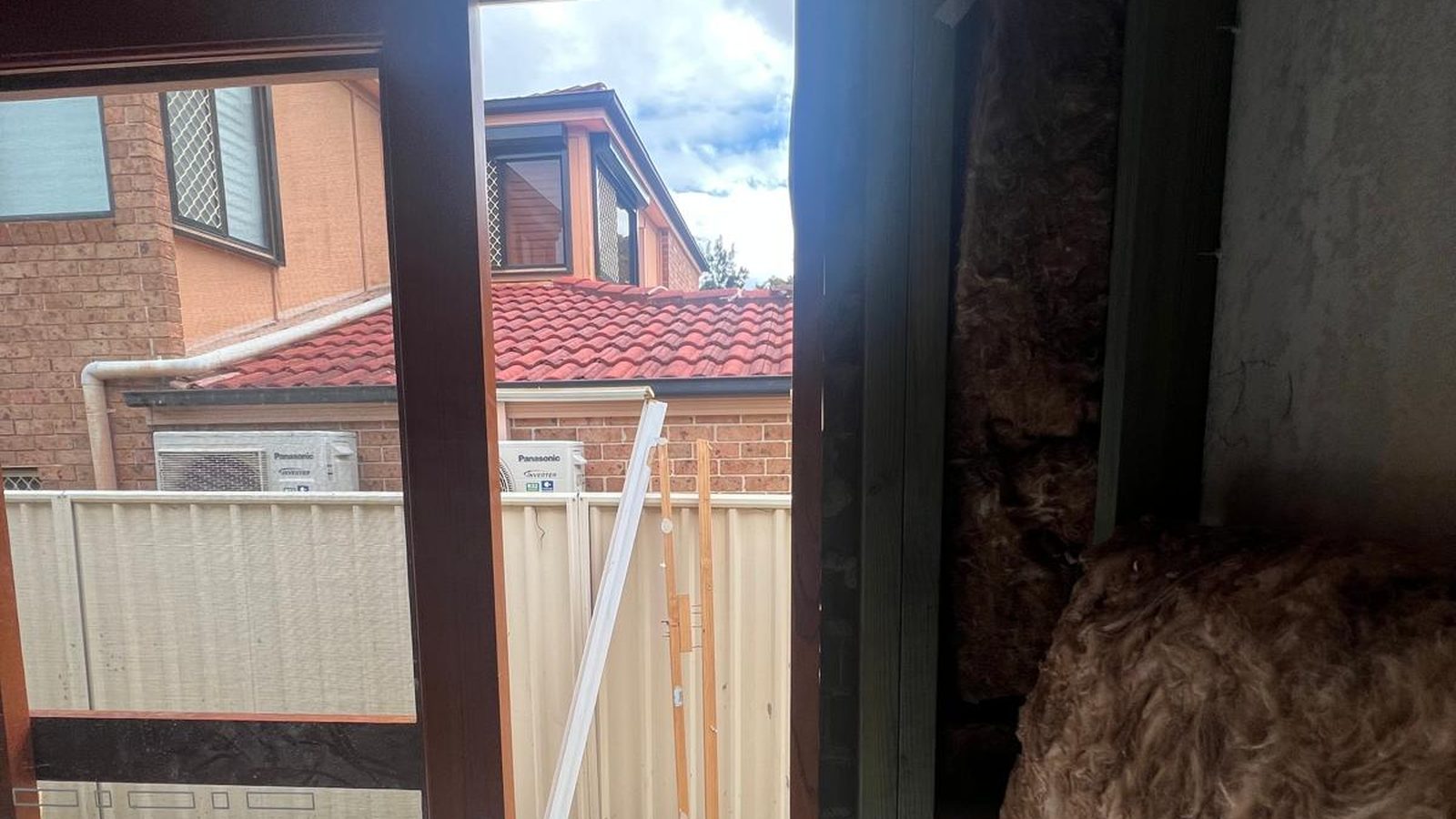
The driveway, the stairs and the side path decide the day, so we ask about them before we price it.
We work around you
Room by room, floors covered, and the rest of the home stays usable while it happens.
Dust kept where it belongs
Sanding is sealed off where it can be, and cleaned up at the end of every visit rather than at the end of the job.
Licensed NSW contractor
Contractor licence 244708C, for owners, renters, agents and strata managers alike.
Burwood at a glance
- Council area
- Burwood Council
- Suburbs covered
- Burwood, Croydon, Croydon Park, Enfield, Burwood Heights
- Postcodes covered
- 2132, 2133, 2134, 2136 and nearby
- Nearest covered areas
- Strathfield, Canada Bay, Inner West, Canterbury-Bankstown
How it runs
Planning a job on a site with no room
On a wide block with a driveway you can back a truck up, none of this matters. On a semi in Croydon with a shared drive and a metre of side path, it is the whole job.
- 01
Photos, then a few access questions
Where can a vehicle stop, is the drive shared, how wide is the side path, are there stairs, and is there a lift. Those answers change the quote more than the size of the patch does.
- 02
Board decided before it is ordered
Where a full sheet cannot physically reach the room, we plan smaller sheets and more joins, or cut on site. More joins means more setting, which is better said at the quote than discovered on the day.
- 03
Protection before anything opens up
Floors, stairs, the shared landing and whatever cannot be moved get covered first. In a flat that includes the corridor you carried the board down.
- 04
Cut back, reinforce and set in coats
Damage is cut back to firm edges and sound fixings, then built up over several coats with proper drying between them. That is why a small repair is often two or three short visits.
- 05
Sand, check, clean and hand back
Checked under a raking light before it is called done, then dust cleaned up and the room handed back usable and ready for paint.
Planning On site
Occupied work
Living in it while the work happens
Most of the housing here is occupied when we arrive, and a lot of it is tenanted. That is normal. It just changes how the work is staged.
- We work one room at a time wherever the scope allows, so the kitchen and at least one bedroom stay usable.
- Sanding is the dusty part. Where a room can be sealed off it is, and the dust comes up at the end of each visit.
- In a semi, the party wall carries sound. Cutting and screwing is loud for the neighbour, so noisy work gets grouped rather than spread across a week.
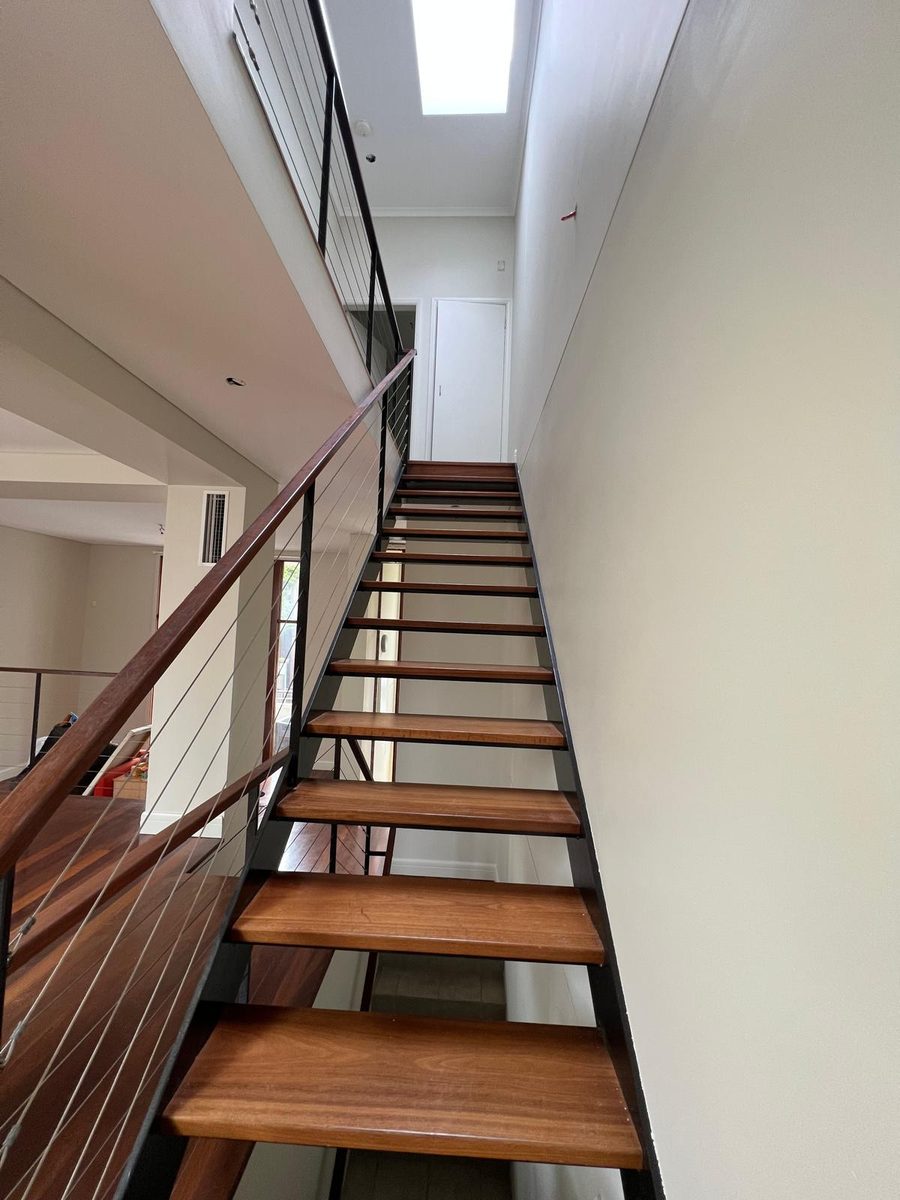
- In a walk-up flat, waste and offcuts have to go back down the same stairs the board came up. We allow for that rather than leaving a pile on the landing.
- Tenanted and managed properties get a written scope you can forward to an agent or owner before anything starts, which is the usual way strata and property maintenance work gets approved.
- If a wall has to stay accessible for another trade, we sequence the setting so nobody cuts a fresh hole in a finished surface.
Scope
What we take on across the Burwood area
Houses, semis, flats and small commercial tenancies. The list on the right is not work we avoid. It has its own page because it needs its own assessment.
What this covers
- Holes, knocks and impact damage in plasterboard walls
- Ceiling cracking along joints, and fixings that have pushed proud
- Access openings left behind by electricians, plumbers and aerial installers
- New gyprock to a room that has been reframed or reconfigured
- Cornice replaced or extended where a wall has moved
- Whole rooms brought back to one plane before repainting
- Repairs in flats and small shopfront tenancies near the town centre
What this is not
- A ceiling that has dropped away from the frame, which is sagging ceiling repairs
- Plaster that failed after a leak, which is water damaged ceilings
- Cracking that runs through brickwork as well, which is a builder or an engineer before it is a plasterer
If what you have turns out to belong on one of those pages, you hear that at the quote rather than after we have patched it once.
Worth knowing
Cracks in a semi: which ones are ordinary
Federation and interwar semis are everywhere across Croydon, Enfield and Burwood Heights, and they crack in patterns people worry about more than they need to.
Ordinary plaster work
- A fine straight line following a ceiling sheet joint or the cornice line
- Small round bumps in a row where fixings have backed out of the batten
- Hairlines at the corners of door and window openings that have not widened
- An old patch that shows as a shadow under a downlight but is otherwise sound
- Damage around a removed light fitting, shelf or air-conditioning outlet
Get this looked at before we patch
- A crack that carries on through the brickwork outside as well as inside
- Stepped or diagonal cracking that has grown wider at one end
- A crack on the party wall of a semi that has opened since work started next door
- A ceiling that feels soft, heavy or has dropped at one edge
- A crack that has already been repaired properly and has come back in the same line
Before the number
What a Burwood quote actually turns on
On sites this tight, these items move the figure more than the plaster work does.
Getting the board to the room
A ground floor room off a driveway is one price. A second floor flat up a turning stair, with sheets cut down and joined, is another.
Where the truck can stop
Around the town centre and along the shopping streets there is often nowhere legal to unload for long. That is planned rather than gambled on.
Whether the place is occupied
An empty unit between tenancies is quick to protect and quick to sand. A furnished home means staging, more protection and more clean-ups.
Shared driveways and common areas
In a block or a pair of semis, the path in belongs to somebody else as well. Protecting it and keeping it clear is part of the job.
Whether the cause has stopped
If the frame is still moving or water is still getting in, the surface repair gets paid for twice. That gets settled first.
Where to next
What gets asked for most around Burwood
In rough order of how often the phone rings for it here.
- Wall plastering and repairs for holes, knocks and tired plaster in houses, semis and rentals
- Ceiling repairs for joint cracking, fixings pushing proud and access cuts left by other trades
- Gyprock and plasterboard where a room has been reframed and needs lining from scratch
- Cornice where a wall has come out, a run is damaged, or a new profile has to meet an old one
- Skim coating to bring a room carrying years of separate patches back to one flat plane
- Renovation plastering for kitchens, bathrooms and reconfigured layouts in older semis
Areas we also cover nearby
Neighbouring councils
Asked locally
Burwood questions worth answering properly
If yours is not here, ask it. We would rather answer it on the phone than have you guess.
There is no off-street parking and the side path is narrow. Is that a problem?
It is common here and it is workable, but it has to be known before the quote. Tell us where a vehicle can stop, how long it can stay and how wide the narrowest point of the path is.
Where a full sheet cannot reach the room we plan smaller boards and more joins, which means a little more setting and sometimes an extra coat. That is a real cost and it belongs in the quote, not in a variation.
We are in a semi and the crack is on the wall we share with next door. Can you just fill it?
We can, but it is worth understanding it first. A party wall in a Federation or interwar semi is usually solid brick with plaster straight onto it, and both halves of the pair move with their own footings, their own roof loads and their own renovations.
If the crack is hairline, stable and has not changed for years, it is ordinary repair work. If it has opened since work started next door, or it steps diagonally, or it shows on the brickwork outside, get it looked at by a builder before anyone sets it.
Can you do work in a flat in one of the walk-up blocks?
Yes, and it is regular work. The practical points are the ones that catch people out: the stairs, the landing, where waste goes and what hours the building allows noisy work. All of that gets settled before we start rather than negotiated in the stairwell.
If the damage is on common property rather than inside the unit, the approval path is different and usually runs through the strata manager. We can write the scope so it can be forwarded straight on.
Our tenant is still living there. How disruptive is this?
Less than most expect for a repair, more than most expect for a full reline. A patch and re-set in one room is a couple of short visits with the rest of the home usable throughout. A room stripped back to the frame is another matter, and the tenant needs the sequence in advance.
We work one room at a time where the scope allows, protect the floors and access route, and clean up at the end of each visit rather than leaving it until the end.
Do you take on small commercial jobs along the shopping streets?
Yes. Shop and office tenancies around the centre come up regularly, usually as partition changes, ceiling repairs after services have been moved, or a space being brought back to condition at the end of a lease.
The main difference is trading hours and building access. Work often has to happen outside opening hours or in stages, and that gets built into the schedule and the quote from the start.
Start with a photo
Tell us the street and how we get in
A photo of the damage and a line about the access is usually enough to price it. If it needs a builder or a plumber before a plasterer, you will hear that first.