

Ku-ring-gai
Ku-ring-gai plastering: large rooms, older linings and cornice that has to match
A good part of the housing here was built before plasterboard existed, which changes how a crack is read, what a repair has to match and how long the matching takes.
Federation and interwar houses through Wahroonga, Warrawee, Pymble, Killara, Roseville and Lindfield were lined with timber lath and lime plaster or with early fibrous plaster sheet, and finished with cornice run on site rather than bought by the length. Those ceilings crack, sound and come away from the frame differently from modern gyprock.
Then there is the other half of the council. St Ives, St Ives Chase, West Pymble, North Turramurra and South Turramurra carry mostly postwar housing, and almost everything in Ku-ring-gai has been renovated, extended or had a second storey added at some point. Most of our work here sits on the join between old and new.
- Older linings identified before pricing
- Cornice profiles measured, not guessed
- Postcodes 2069 to 2076
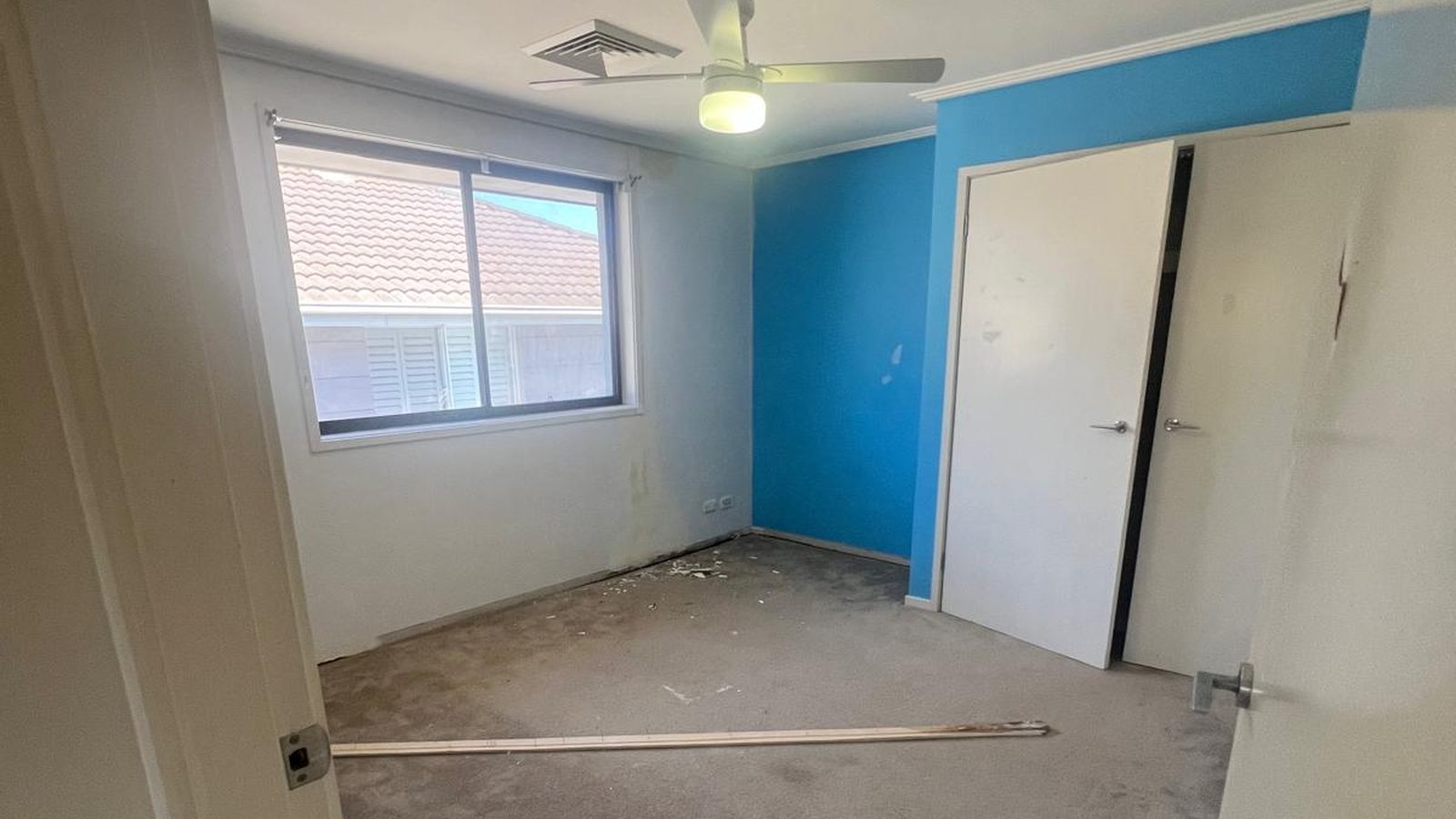
We work out what it is first
Lath, fibrous plaster and modern board fail differently and get assessed before anything is priced.
Profiles measured before removal
Where a cornice run has to be matched, it gets recorded while the original is still up.
New work follows the old plane
Extension linings are set to the room they open into, not to themselves.
Dust kept where it belongs
Sanding an older ceiling makes fine dust. Rooms are sealed off and cleaned at the end of each visit.
Coverage
What we cover in Ku-ring-gai
- Council area
- Ku-ring-gai
- Postcodes covered
- 2069, 2070, 2071, 2072, 2073, 2074, 2075 and 2076
- Common housing
- Federation and interwar houses, postwar brick, large extensions and renovations
- Nearest covered areas
- Hornsby, Ryde, Willoughby, Lane Cove
Know what you have
What the ceiling above you is probably made of
Before anyone can tell you what a repair costs, it helps to know what the surface actually is. In this council there are five or six likely answers and they are not interchangeable.
Lath and lime plaster
Timber laths nailed across the joists with plaster pushed through the gaps so it keys behind them. When those keys break the plaster loses its grip on the lath, and the ceiling starts to sound hollow and feel loose in patches long before anything visible happens.
Fibrous plaster sheet
Plaster sheets reinforced with hessian and fixed up with plaster wads over the joists. Common in Federation and interwar houses here. It is heavier than gyprock and it lets go at the wads rather than at the screws.
Run cornice and mitres
Deep cornice with the mitres worked by hand on site, sometimes with enrichment along the run. Profiles like these are not stock items, so a damaged length is measured and matched rather than ordered.
Ceiling roses and centres
Moulded centres, usually painted over many times. Most can be cleaned back and refixed. The real decision is about what is still sound in the ceiling behind them.
Gyprock over the original
Many older ceilings here have had plasterboard fixed straight over the top at some point. That changes the depth at the cornice and changes what a repair has to cut through before it reaches anything solid.
Sprayed or textured coatings
Some sprayed ceiling coatings applied last century contain asbestos. Suspect material has to be assessed by a competent person before it is disturbed, and nothing gets scraped or sanded until then. See vermiculite and textured ceilings.
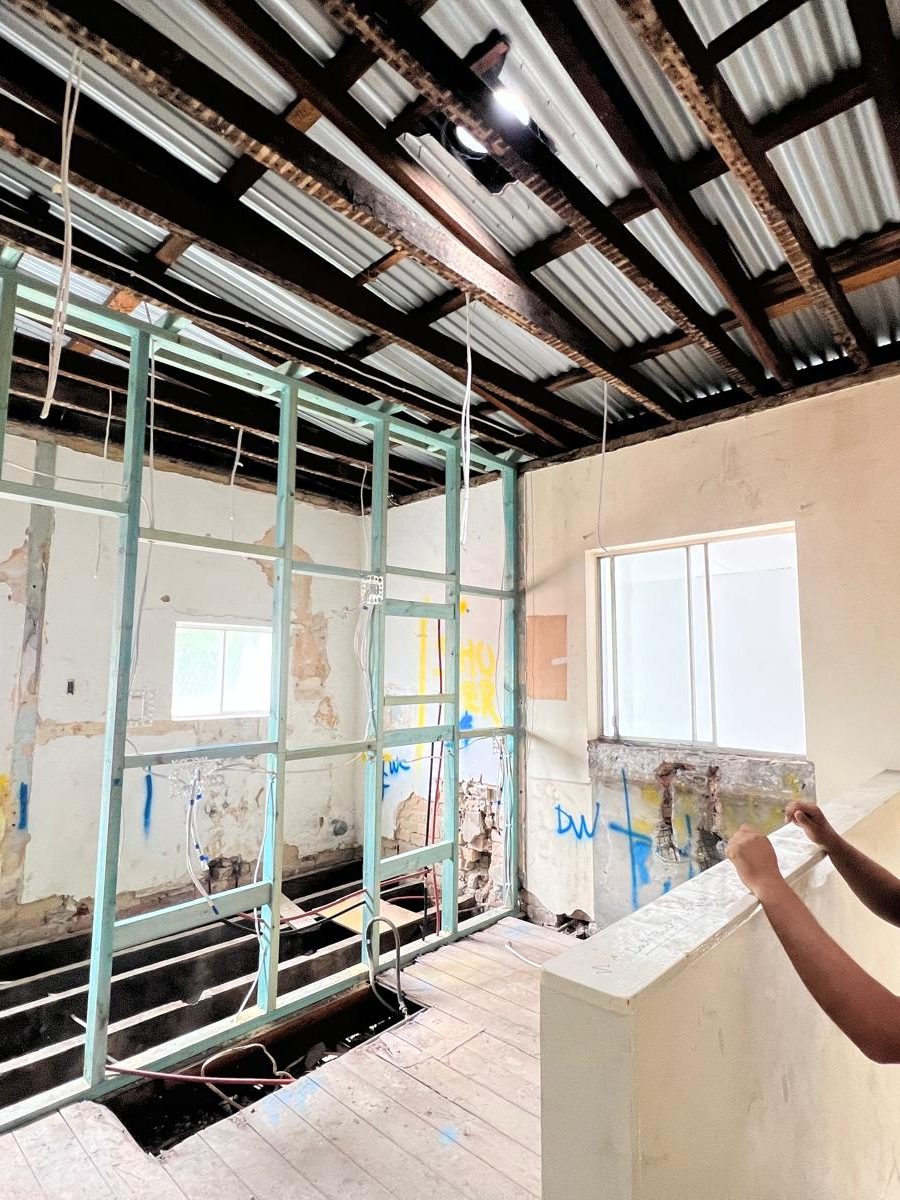
Old meets new
Where the extension meets the original house
The most common renovation problem in Ku-ring-gai is not the new room. It is the ten centimetres where the new room meets the old one, and it gets decided before anything is sheeted.
- Find the plane. An older room is rarely flat and almost never square. We work out which plane the new work has to follow, so the join does not read as a step once light comes across it.
- Choose the junction. New work can meet old with a cornice, a shadowline or a flush set. Each looks different and each is a different amount of work, and it is worth choosing rather than defaulting. Shadowline and square set are explained on square set and shadowline.
- Match or stop the cornice. If the original run carries through, it has to be matched. If it stops, the change should happen somewhere that reads as deliberate, usually a door head or a beam line.
- Check it in the real light. Older rooms usually have one strong light source, often a window at one end. The join gets checked under that, not under a work lamp, because that is how you will see it every day.
Two lists
Ordinary plaster work, and things to get checked first
Most of what an older house does to its ceilings is repairable and unalarming. A short list is not, and it is worth knowing which side of the line you are on before anyone quotes it.
Ordinary work in a house like this
- Fine cracking along a joint or at the cornice line, which is ceiling repair work
- Impact damage, old fixing holes and tired wall linings, which is wall plastering and repairs
- A ceiling carrying years of separate patches at different levels, usually a skim
- A damaged length of cornice in an otherwise sound run
- New linings for an extension, attic conversion or reworked layout
- Making good after an electrician, a plumber or an air-conditioning installer
Get this looked at before plastering
- A ceiling that feels soft, heavy or has dropped at one edge, which is sagging until proven otherwise
- A stain with a hard edge that is still growing, which needs the leak stopped first
- Cracking that is wide, stepped or diagonal, or that runs through brickwork as well
- Doors and windows that have started sticking at the same time as new cracks appeared
- Any sprayed, textured or fibro-sheet surface whose material is unknown
Older surfaces: find out what they are before anything is disturbed
Older fibro sheeting and some sprayed ceiling coatings may contain asbestos. Where there is doubt about what a surface is, suspect material must be assessed by a competent person before it is disturbed. Nothing gets cut, drilled, scraped or sanded until that assessment has happened, and we do not carry out removal.
It is worth saying plainly that this is not a reason to panic about an intact ceiling. Material left alone and in good condition is a different situation from material somebody has started sanding. Once it is identified and the work is safe to do, the options are set out on the vermiculite and textured ceilings page.
Where to go next
The work that comes up most often in these suburbs
Ranked roughly by how often it comes in from Ku-ring-gai rather than alphabetically.
- Ceiling repairs for cracking along joints and cornice lines, screw pops and failed old patches
- Cornice where a run is damaged, has been removed, or has to carry into a new room
- Skim coating to bring a ceiling with many old repairs back to one plane
- Renovation plastering for extensions, attic conversions and reworked layouts
- Wall plastering and repairs for holes, knocks and tired lining in high traffic rooms
- Ornate and heritage restoration, which explains how decorative plaster is assessed and matched
- Ceiling replacement where an old ceiling has stopped doing its job
- Gyprock and plasterboard for new linings in an existing house
- Square set and shadowline where a renovation drops the cornice entirely
Councils either side of Ku-ring-gai
Also covered nearby
Asked in these suburbs
Questions about older Ku-ring-gai houses
Nearly all of these come back to the age of the house and what it was lined with.
Our ceiling is not plasterboard. Can it still be repaired?
Usually, yes. Lath and plaster and fibrous plaster ceilings are both repairable, and a sound one is often worth keeping rather than replacing. What matters is how much of it is still properly held up: lath ceilings fail when the keys behind the laths break, and fibrous plaster fails at the wads that hold it to the joists.
We check that by looking and by sound before quoting. If most of the ceiling is sound and one area has failed, that area gets dealt with. If the fixing has gone across the whole plane, patching it is money spent twice, and replacement is the honest answer.
Can you match a cornice profile that is not made any more?
Often. A damaged run is measured while the original is still in place, because once it comes down the evidence goes with it. From there the options are running a matching length, sourcing the closest available profile, or keeping the original and repairing only the damaged section.
Which one suits depends on how much of the run is affected and how visible it is. A short damaged section in a hallway is a different decision from a whole room. The cornice page sets out how that gets scoped.
We are adding an extension. Will the new walls look the same as the old ones?
They can, and it takes deciding early rather than late. New plasterboard is flat and square. An older room is neither, so the new work is set out to follow the existing plane rather than its own, and the junction between the two is chosen deliberately.
The other thing worth settling before sheeting starts is whether the cornice continues into the new space, stops at a natural break, or gets dropped for a shadowline throughout. Changing your mind after the ceilings are set is expensive.
There is a moulded ceiling rose in the front room. Is it worth keeping?
Almost always. Original centres and decorative runs are difficult and slow to reproduce, and most of them are in better condition than they look under decades of paint. The question is usually what is happening in the ceiling around them rather than the piece itself.
If the surrounding plaster has to come out, the centre can often be taken down carefully and refixed. How decorative plaster is assessed, removed and reinstated is covered on the ornate and heritage restoration page.
How much mess does this make in an occupied house?
Setting is clean. Sanding is not, and an older ceiling usually needs more of it. We seal the working room where we can, cover floors and anything that cannot be moved, and clean up at the end of each visit rather than at the end of the job.
Because compound has to dry between coats, the work is generally two or three short visits rather than one long day. That is easier to live around than it sounds, and it is the reason a rushed repair shrinks and shows later.
Do you work on the newer houses at St Ives and West Pymble too?
Yes, and they are a large part of what comes in from this council. Postwar and later brick houses are mostly gyprock, which means the common faults are joint cracking, screw pops, damage around fittings and lining that has tired out in the busy rooms.
Those are straightforward and usually quick. They are also the houses most likely to be mid-renovation, so a lot of that work is new linings, patching after other trades, and bringing a much-repaired ceiling back to one plane with a skim.
Start with a photo
Tell us what the ceiling is doing, and roughly how old the house is
Those two things together answer most of a Ku-ring-gai quote. If it turns out the ceiling needs a builder or an engineer before a plasterer, you will hear that first.