
Strata and property maintenance
Common areas, corridors, lobbies and unit interiors, scoped so a committee or a manager can approve it.
Strata work
Plastering Gyprock Ceilings
Waverley council
The plastering itself is rarely the hard part here. Getting material to the door, working inside a building's rules and finding somewhere to stand are what shape the day.
Waverley is small and tightly built. Bondi, Bondi Beach and North Bondi are mostly flats in blocks of six to twenty, many of them three storeys with stairs and no lift. Bronte, Tamarama and Queens Park run narrow and steep, with houses set well below or well above the street. Bondi Junction adds towers, offices and retail on top of all of it.
That mix means two quotes for identical damage can be genuinely different. A ground-floor flat with a car space behind it and a third-floor unit up a tight stairwell in a street with no parking are not the same job, and pretending otherwise is how a job runs late.
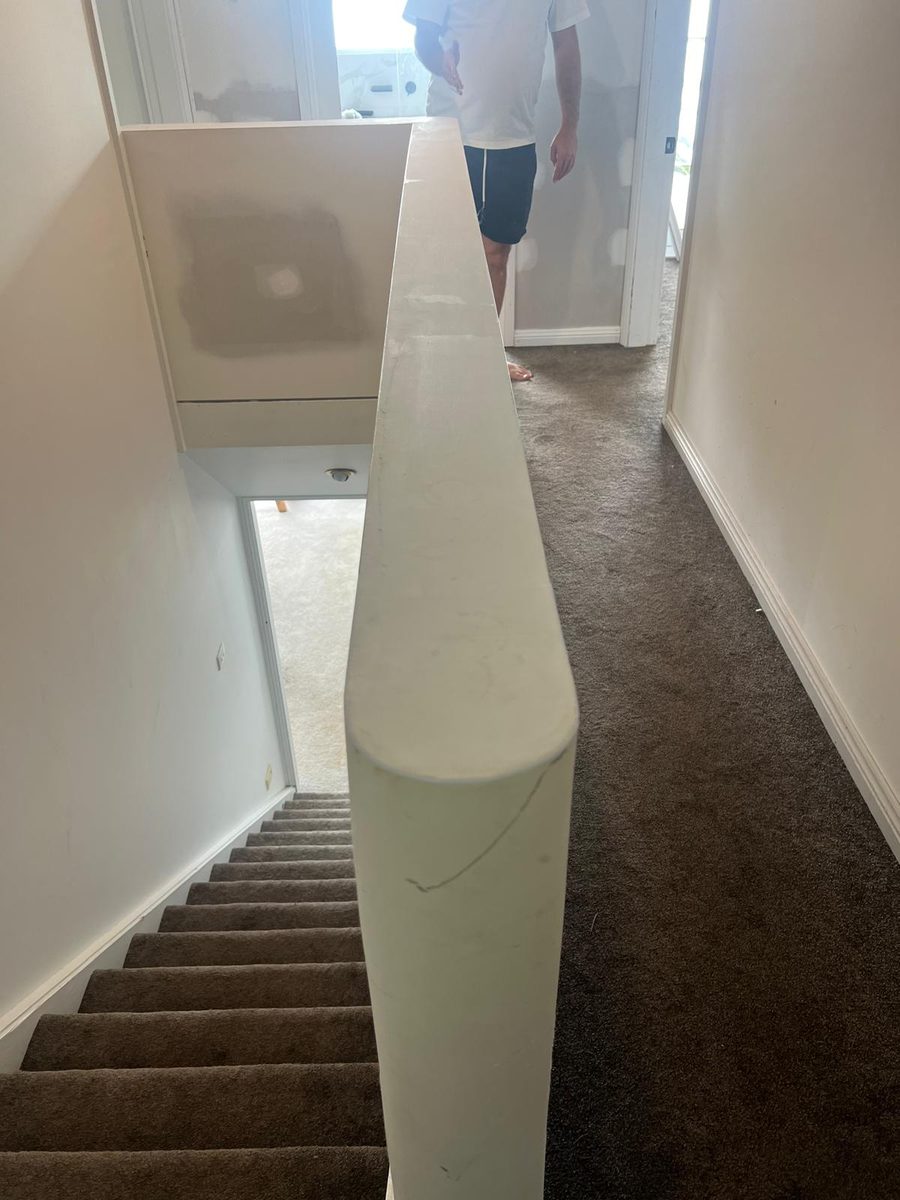
Access worked out first
Where the van goes, how sheet gets in and which stairs it uses, decided before the day.
Licensed and documented
NSW contractor licence 244708C, with the paperwork a building manager asks for supplied up front.
Quiet hours respected
Where a scheme restricts noisy work, the visits are planned around it rather than argued about.
Left clean every visit
Small flats do not tolerate mess. The work area is sealed, swept and handed back at the end of each day.
The area
The part nobody quotes for
A standard sheet is a large, heavy, awkward thing that does not bend. In most of Waverley it has to travel from a van parked somewhere it should not be, along a footpath, through a security door, up a stairwell and around at least two tight corners.
Most of the time that is solved by cutting sheet down before it goes up. That is fine, but it is not free: smaller pieces mean more joints, and more joints mean more taping, more setting and more drying time between coats. It is one of the main reasons the same repair costs more on the third floor than the ground floor.
The other half is timing. Loading zones, school hours, beach traffic in summer and street cleaning days all decide when a van can realistically sit outside. Where a building has a service door or a rear lane, using it properly usually saves more time than anything that happens inside the flat.
None of this is complicated once it is known. It only becomes a problem when it is discovered on the morning of the job, which is why we ask about the street, the stairs and the building rules at the quote rather than after.
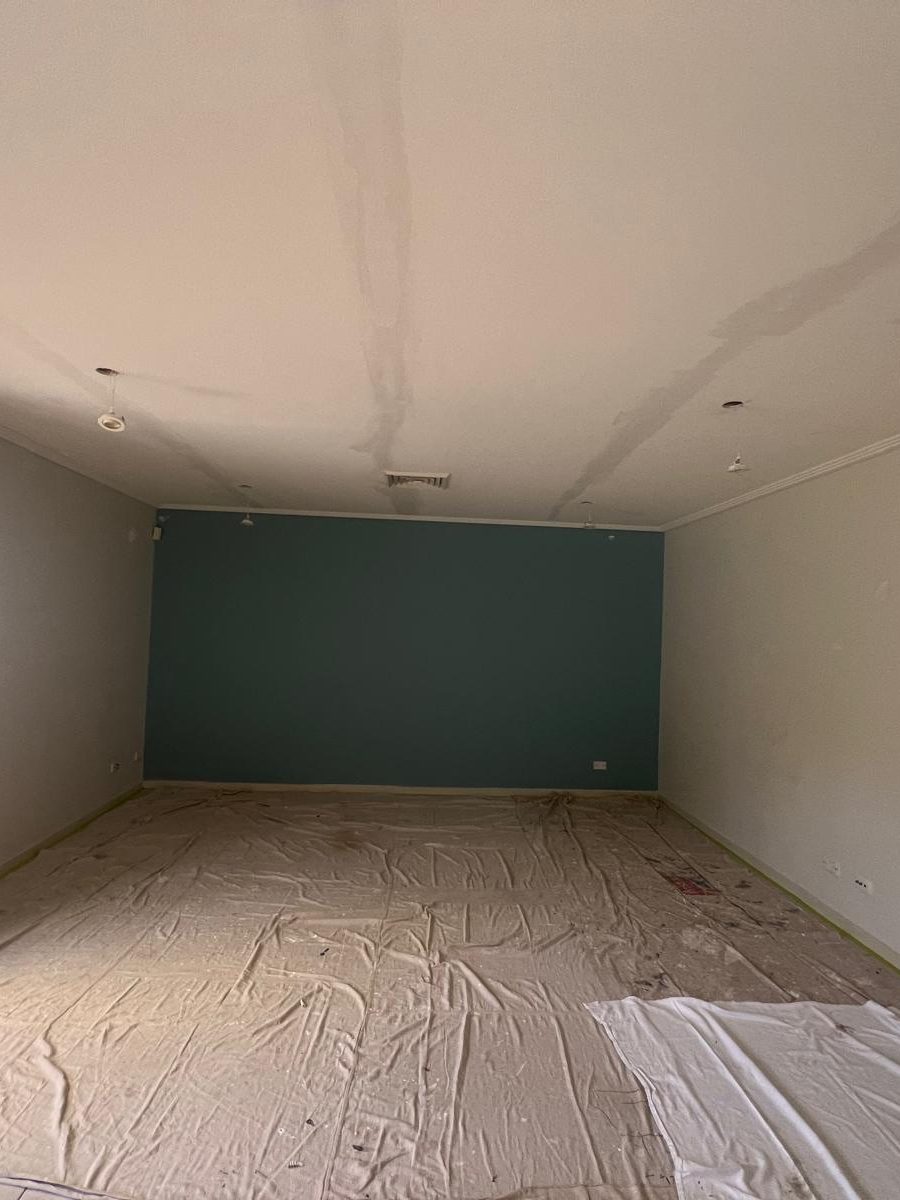
Boundaries
Being clear about this early saves a lot of time, especially in strata where the wrong trade attending is a wasted inspection and a wasted month.
If a job turns out to sit on the right-hand side, you will hear it at the quote. We would rather lose a booking than reinstate something that is going to fail again.
Pricing
Damage size is a small part of it. Most of the variation is in the building.
Three storeys with a half-landing turn is the common case here, and it decides sheet size, carry time and how many trips each visit takes.
Streets through Bondi, Bronte and Tamarama fill up and stay full. A workable loading spot is worth more to a quote than most people would guess.
Insurance documents, induction requirements, booking a service door and restricted work hours all add time before any plaster is mixed.
Small flats with people in them get staged, protected and cleaned daily. An empty unit between tenancies runs far more efficiently.
Cut-down sheet means more joints, and every joint means another coat and another drying window.
In a coastal building this matters more than anywhere. Reinstating over damp that has not been dealt with buys a few months, not a repair.
How it runs
Most Waverley work happens inside somebody else's rules. This is the sequence that keeps it moving.
Send pictures of the damage plus the floor, the stair situation and anything you know about the building rules. That is usually enough for a price and a plan.
Licence and insurance details go to the manager or the committee if they need them before access is granted. Doing it first avoids losing a week.
Common areas and stairs get protected on the way in, not just the flat. Dust and compound on a shared corridor is the fastest way to a complaint.
The damage is cut back to sound material, backed where there is nothing behind it, then built up in coats with proper drying time between them.
Sanded back, checked with a light held flat along the surface, dust cleaned up and the space handed back usable and ready for paint.
Before we start On site
Most asked for
Each page explains the work itself, how it gets scoped and what changes the price.
Common areas, corridors, lobbies and unit interiors, scoped so a committee or a manager can approve it.
Strata workReinstating a ceiling after a leak from the flat above, a balcony or a roof, once the water has actually stopped.
Water damageHoles, knocks, fixing damage and tired walls brought back flat between tenancies or before a sale.
Wall repairsCracking along joints and cornice lines, screw pops and the access cuts other trades leave behind.
Ceiling repairs
Waverley is small and everything around it is close. The wider list sits on our NSW coverage page.
Waverley questions
Five that come up on nearly every job in this council area.
We ask about it before quoting, because it genuinely changes the plan. Where there is a loading zone, a rear lane, a service door or a visitor space, we use it. Where there is not, material gets delivered in one planned drop and carried in, and the rest of the day runs from what is already inside.
Sheet often gets cut down so it can make the stairwell. That is normal here and it is built into the quote rather than sprung on you later.
No, it is routine and we would rather it was asked for. Our NSW contractor licence number is 244708C and insurance details go to the building manager or the committee on request.
The only thing worth doing is asking for it early. Buildings often take a week or more to process access approvals, and that delay is far more likely to hold a job up than anything to do with the plaster.
Not on its own. Mould returning in the same place is usually a ventilation and condensation problem, and close to the coast that is common in cold external corners, behind wardrobes and around window reveals.
Plaster and paint over the top of it will look right for a season. The useful order is to deal with the moisture and the airflow first, then make the surface good. We will tell you if that is what we think we are looking at.
Usually not, and anyone who promises it is planning to rush the part that matters. Setting compound shrinks slightly as it dries, so a repair is built up in coats with drying time between them.
What that means in practice is two or three short visits over several days rather than one long day. Rushing the build-up is the single most common reason an old repair shows as a line under the light later on.
With the roof or the balcony above it, not with us. If weather has driven water in, the entry point has to be found and stopped and the ceiling has to dry properly before anything is reinstated, or the same repair fails again.
Once that is done, the ceiling itself is straightforward: failed material cut out, backed, re-set in coats and sanded flat. That work is described on the water-damaged ceilings page, and if the sheet has dropped as well it is assessed as sagging first.
Waverley quotes
With a photo of the damage and a line about how a van and a sheet would actually reach it, we can usually give you a realistic number and a realistic plan.